 7 days
€1299
7-Day Spiritual Retreat in Nepal - Muktinath Yoga Tour
Duration7 days
SessionsMeditation
FocusPranayama
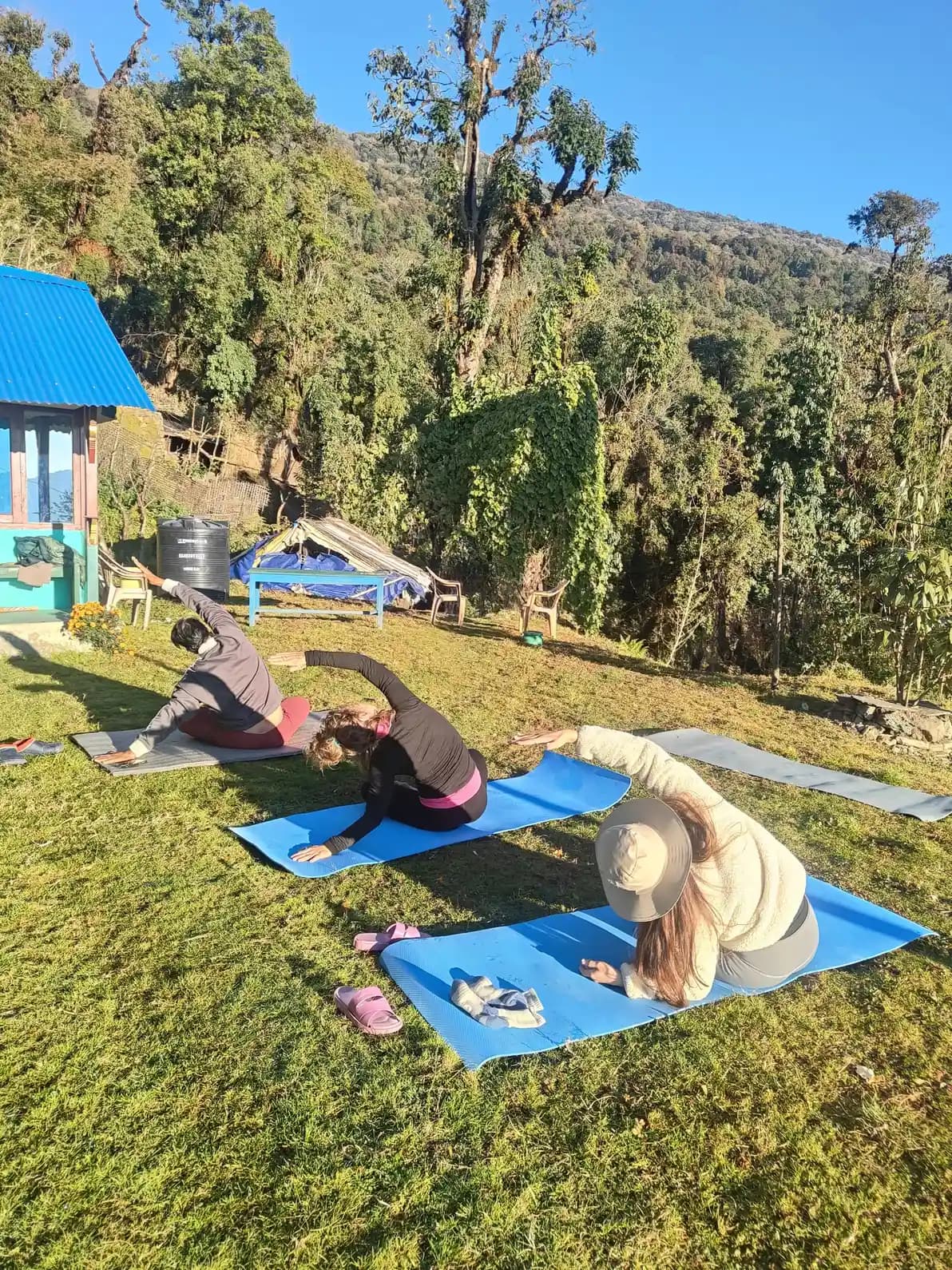
Bodhidham is a Yoga Ashram in Pokhara, Nepal, teaching the way the Himalayan masters taught us. The true essence of Yoga in Nepal, only at Bodhidham.
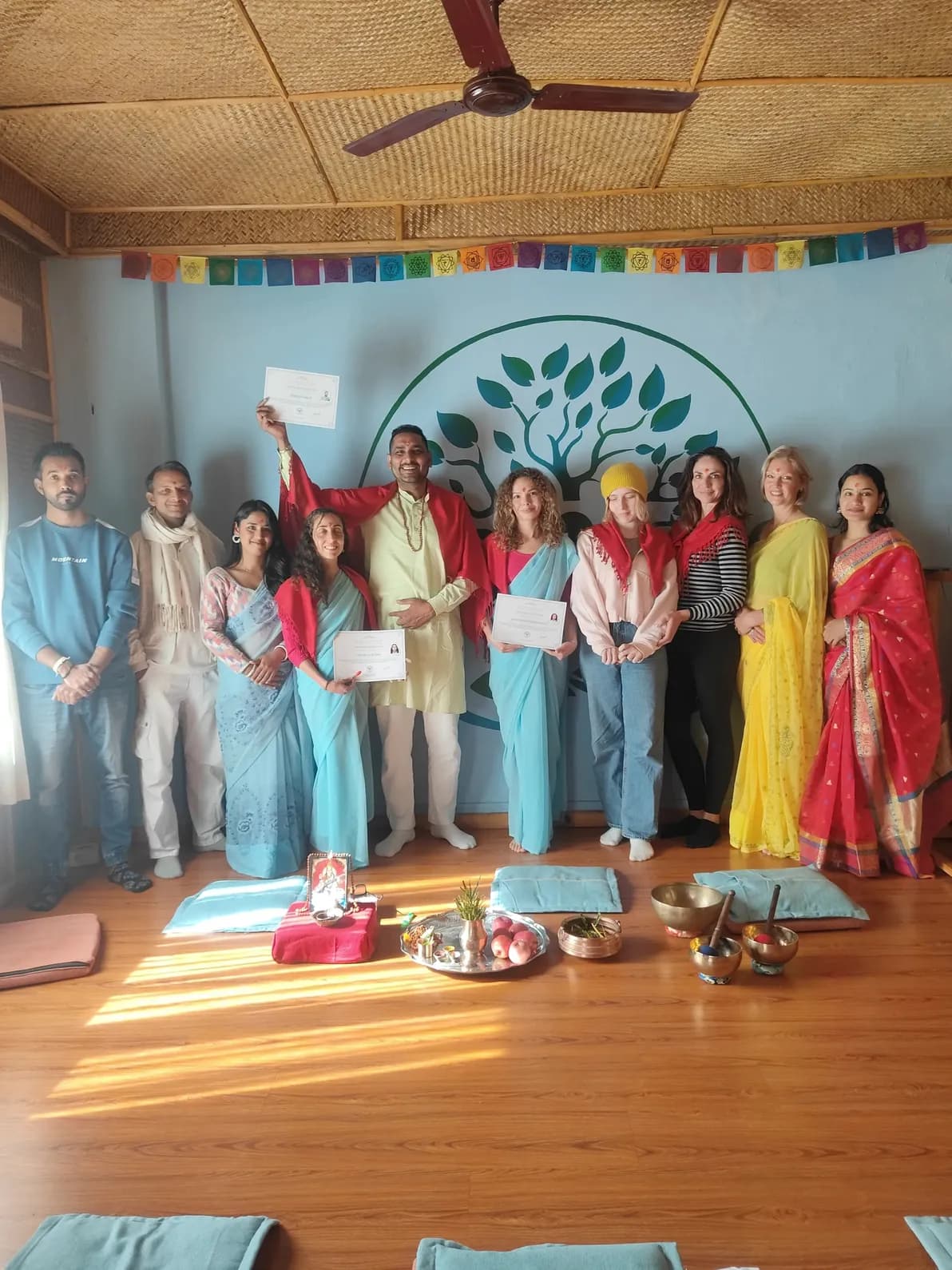
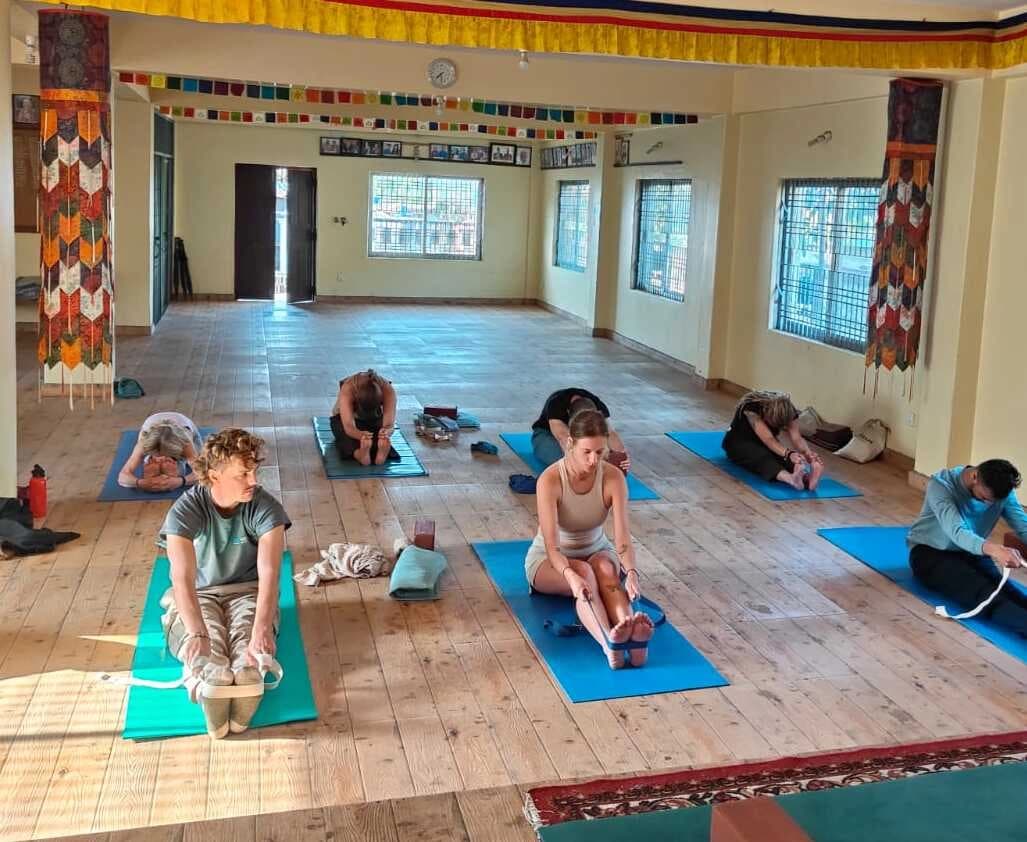
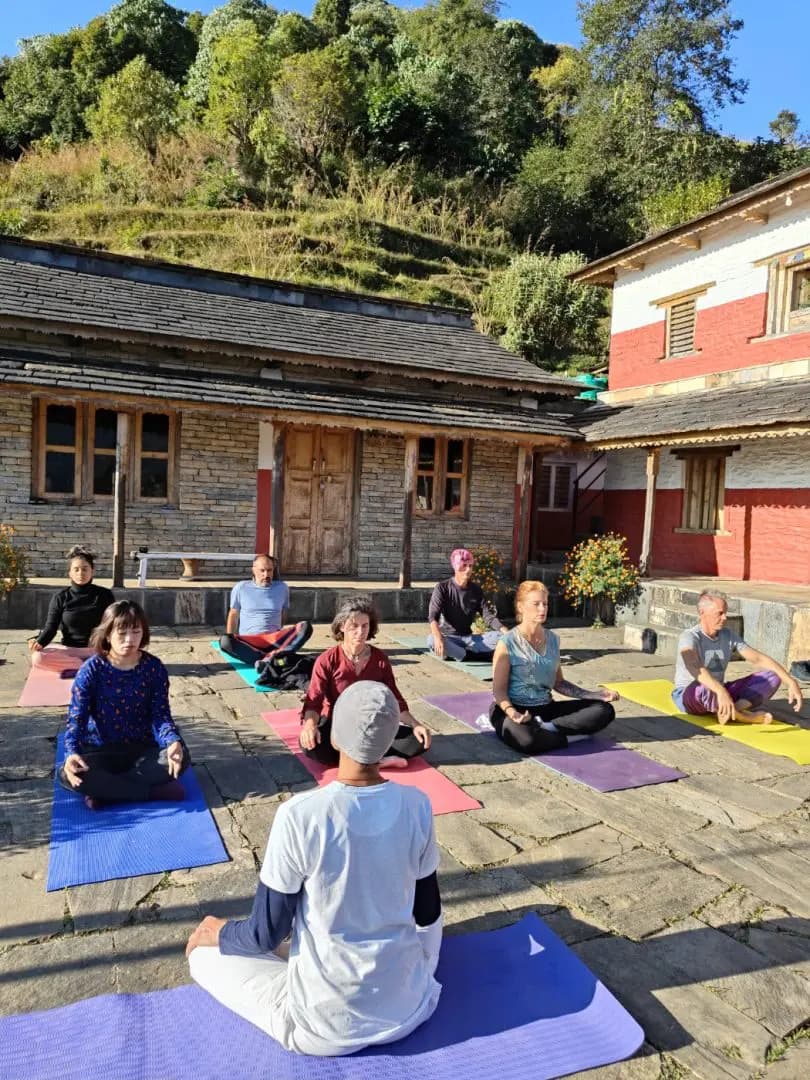
Bodhidham is a residential ashram, not a drop-in studio, and not a wellness hotel. You stay on the grounds in Ghachowk village, eat three vegetarian meals from the ashram's own farm, and sleep in a shared or private room. Pickup from Pokhara is included, so the practical side is handled before you arrive.
Days follow a steady rhythm, often starting around 5:30, sessions through the day, and mantra and meditation in the evening. How full it feels depends on the retreat you choose; a two-night reset and a month-long immersion aren't the same.
All-inclusive · taught in English
From a weekend reset to a multi-week immersion, the same lineage threaded through every yoga retreat.
7 days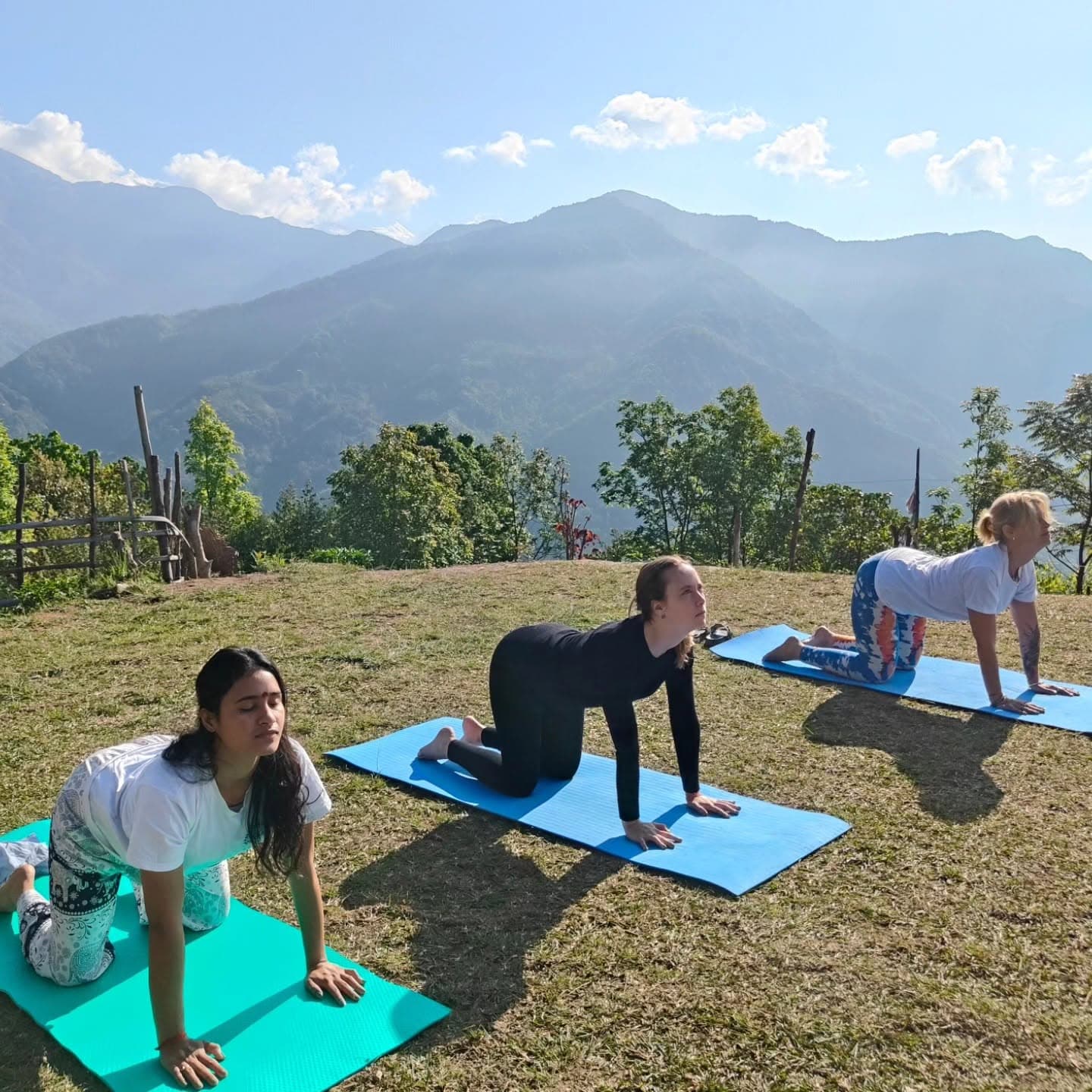 3 Months
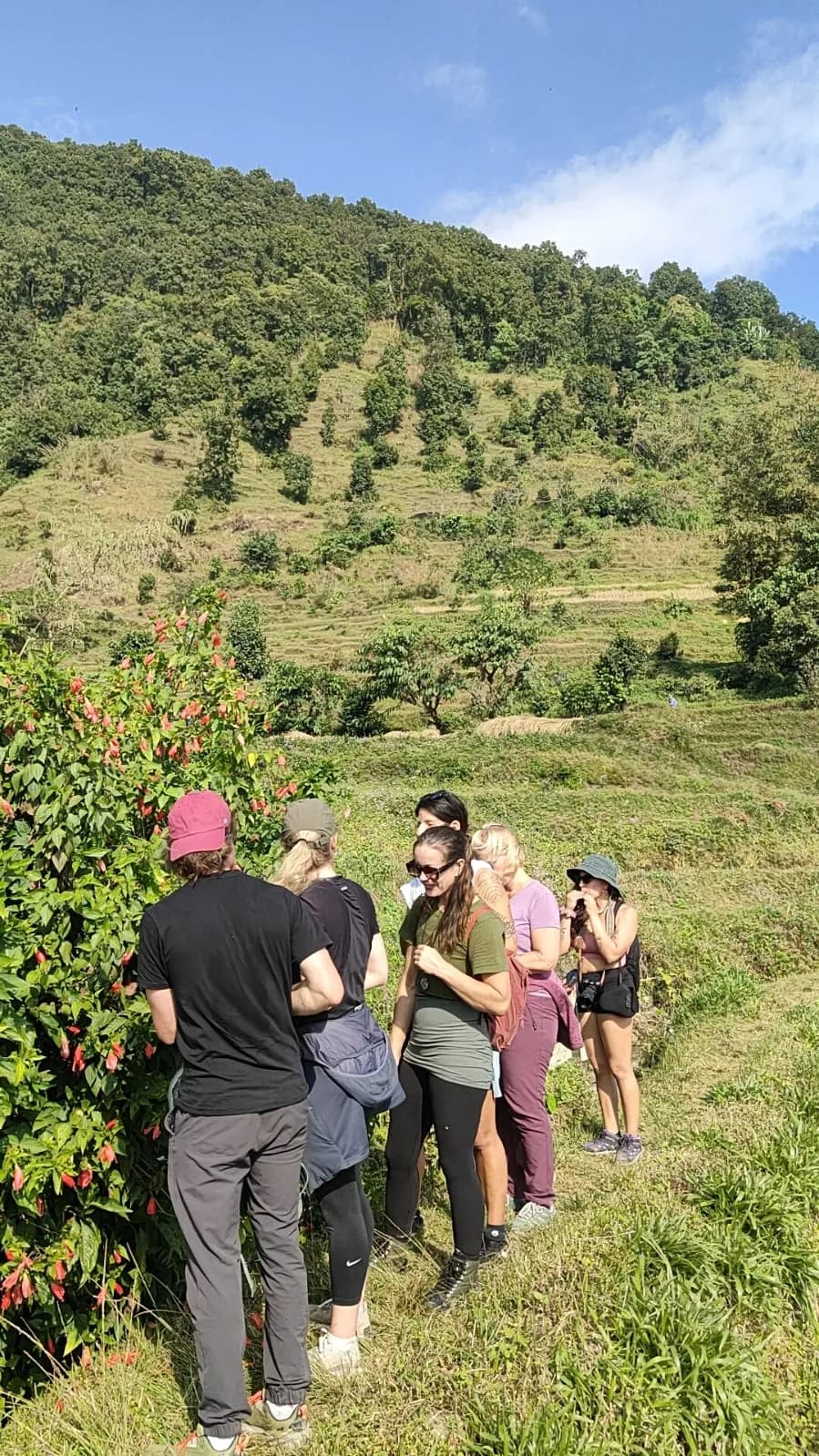 8 days
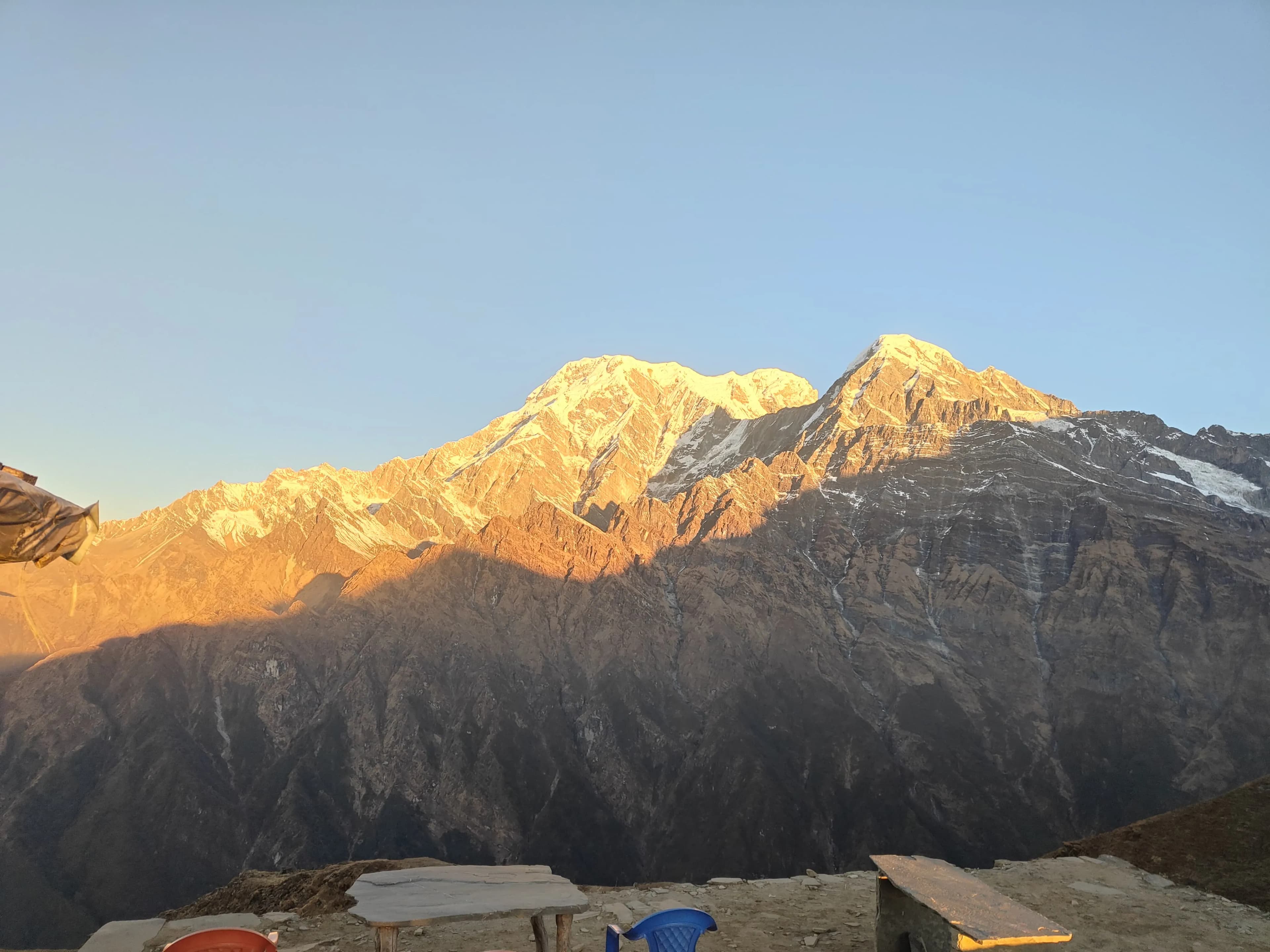 6N/7D
6N/7D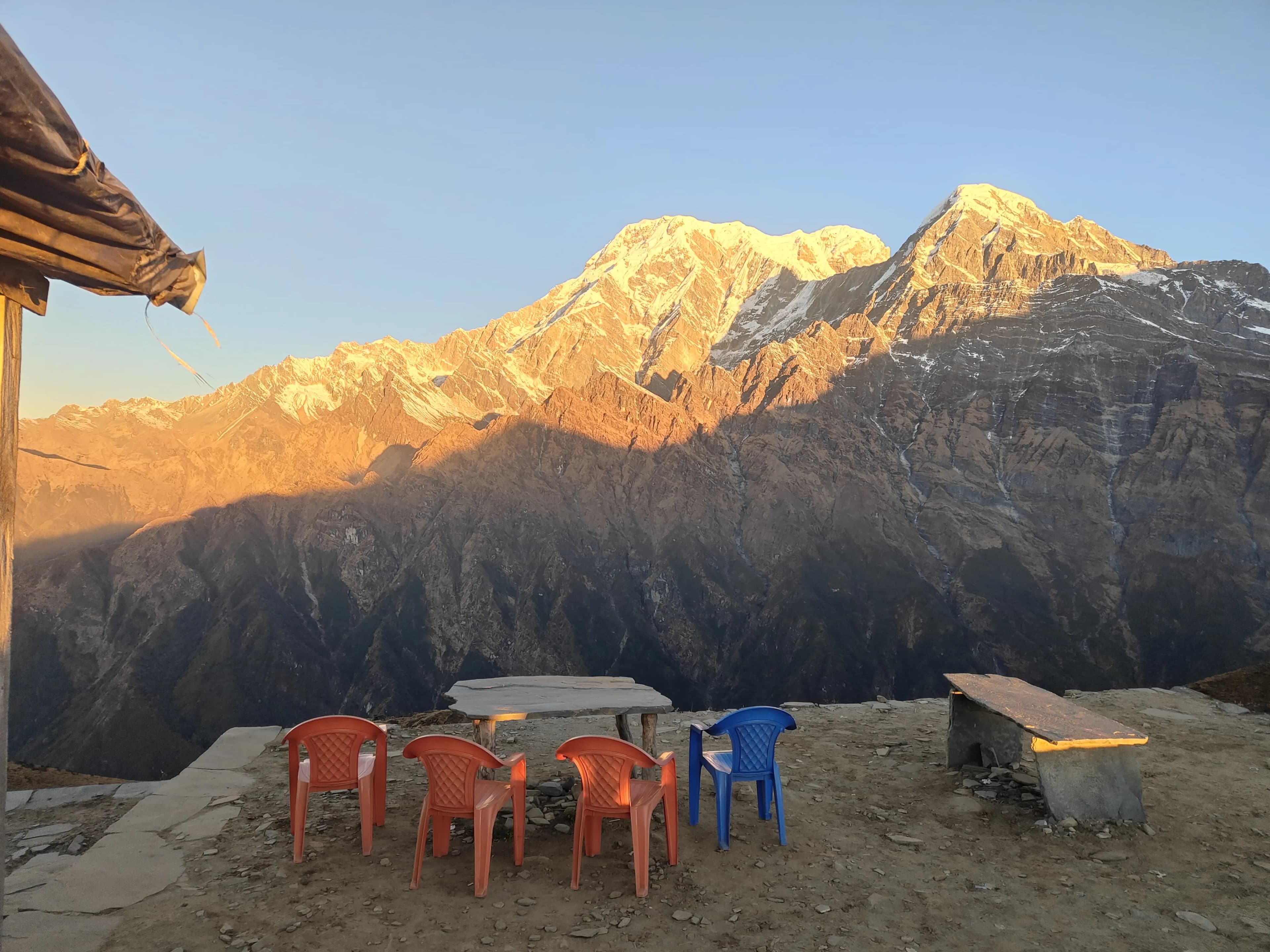 1 to 3 months
 2N/3D
2N/3D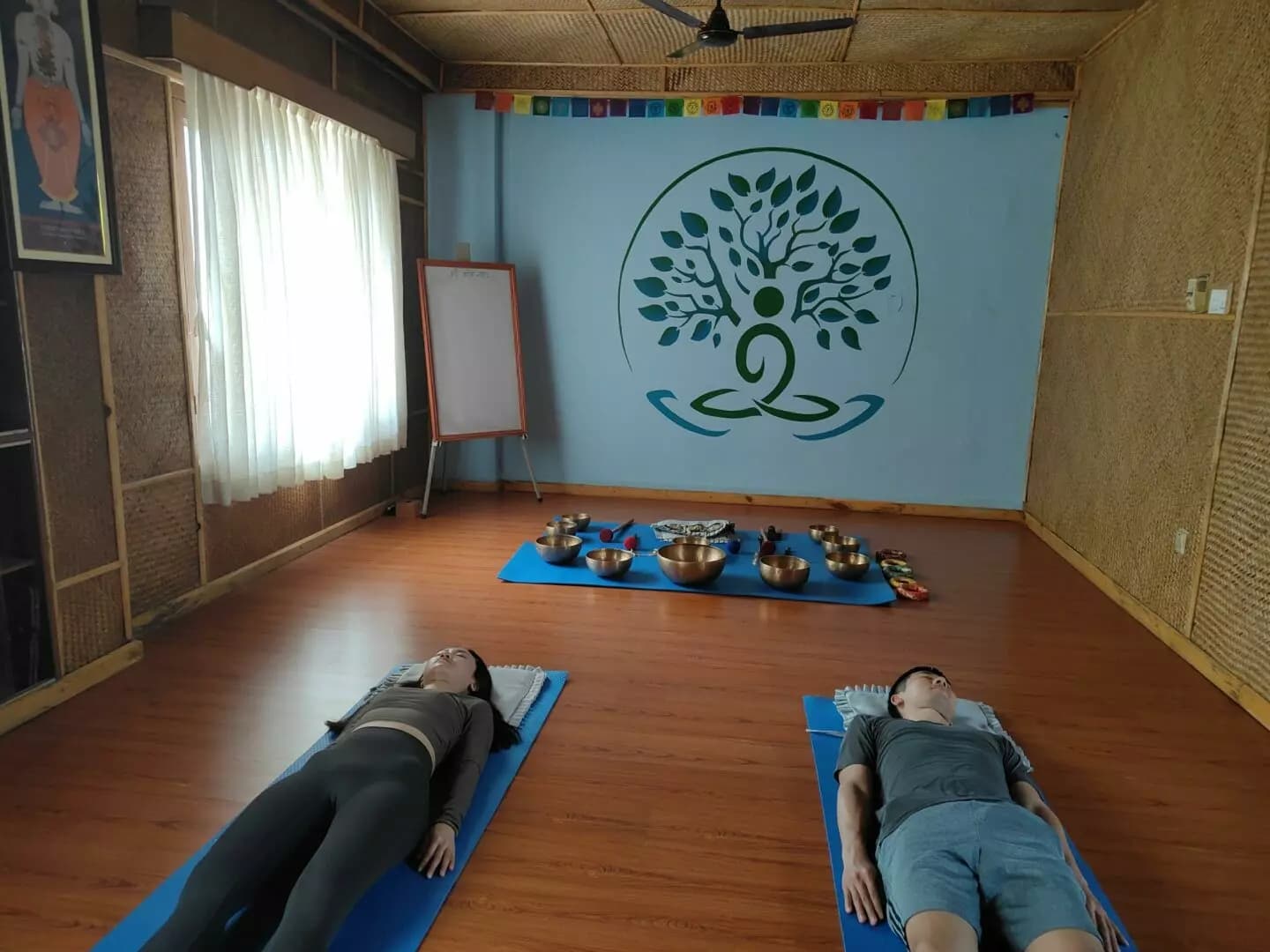 6N/7D
6N/7D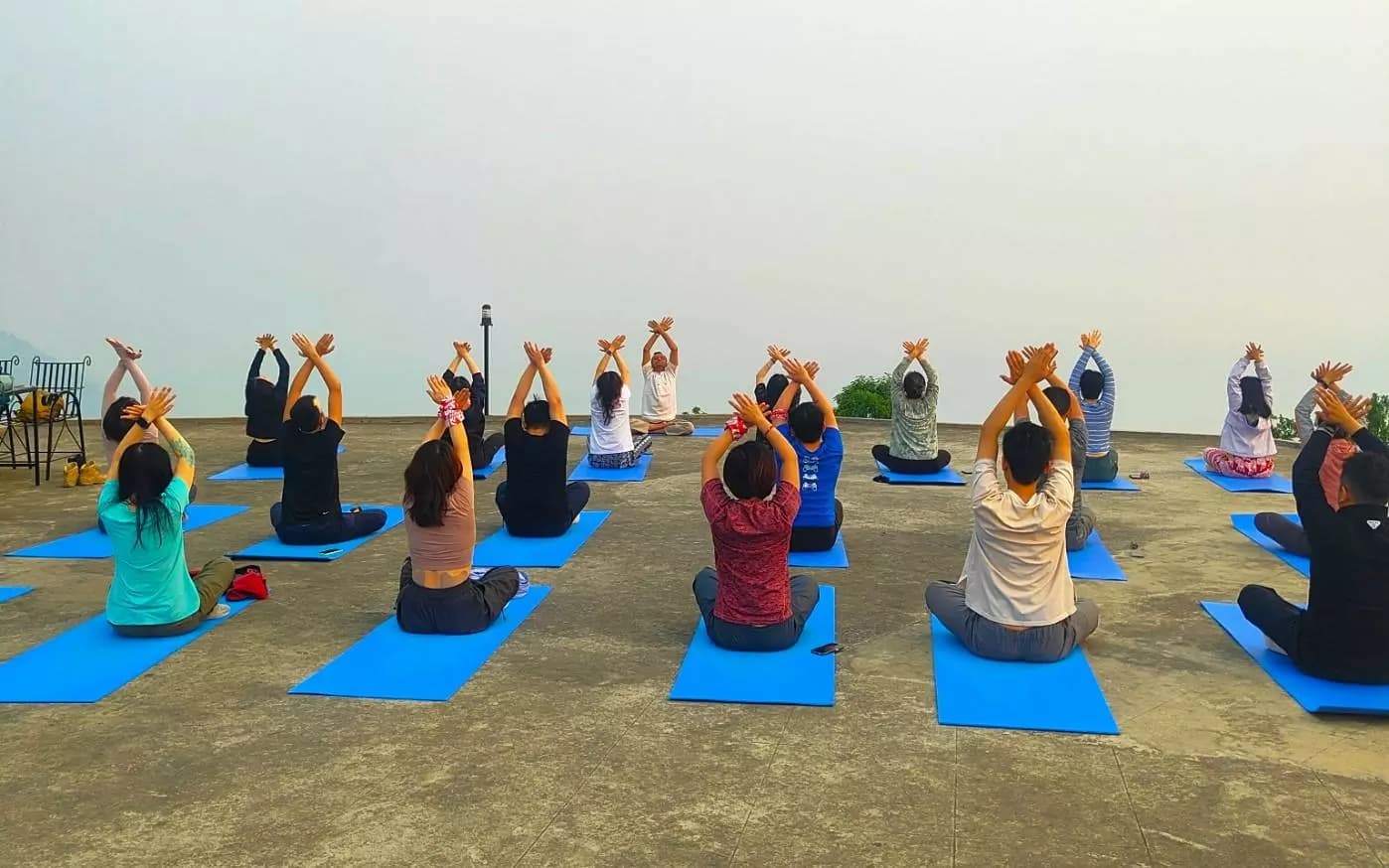 6 nights / 7 days
 you can increase the no of stay3 nights / 4 days3 days / 2 nights5 Days7 days
 6N/7D
6N/7DA handful of things you will not find at most schools — small cohorts, lifelong access, and the ashram that becomes a second home.
Stay, three vegetarian meals, every session, airport pickup. One price.
The vegetables on your plate were picked that morning.
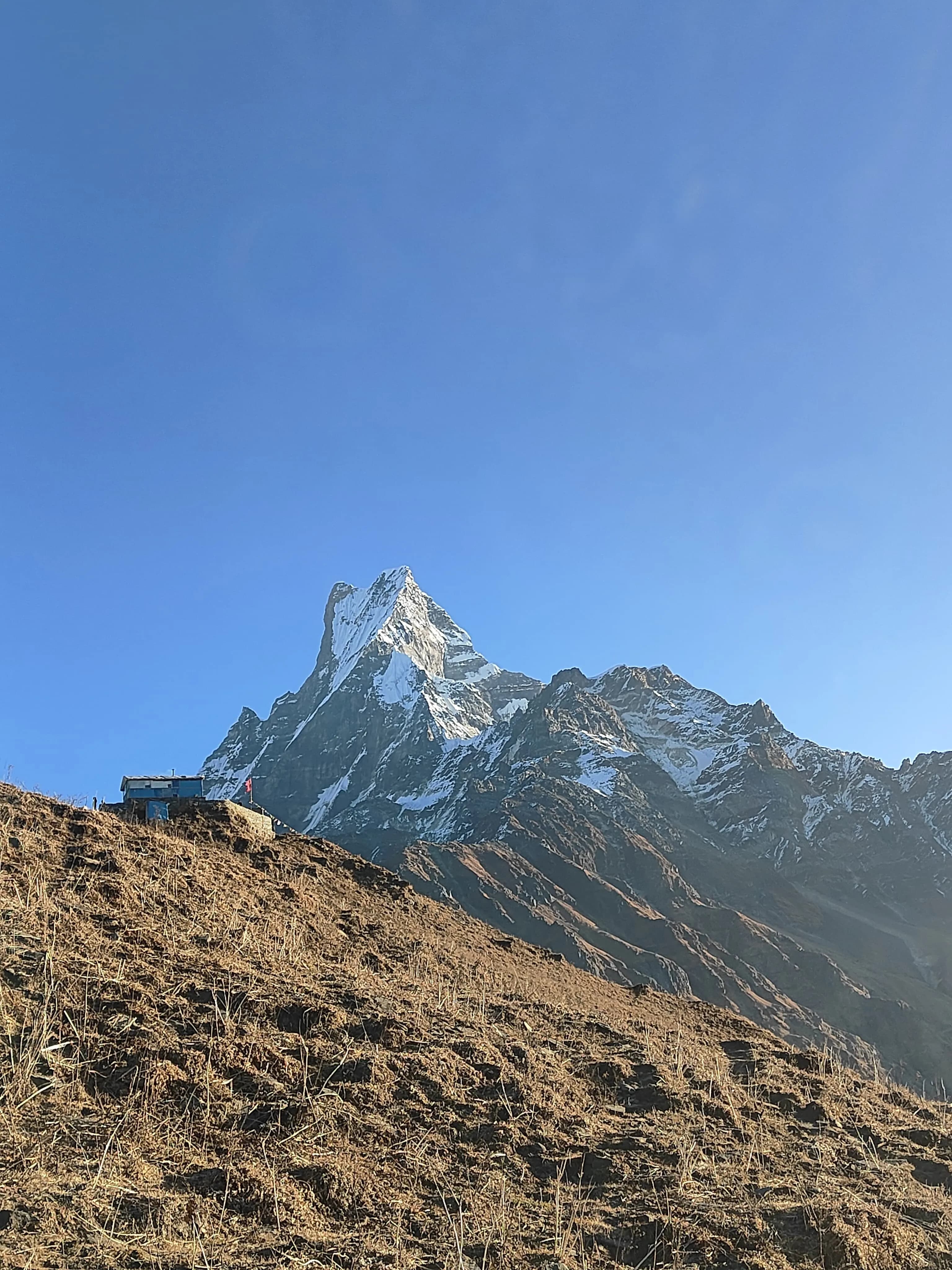
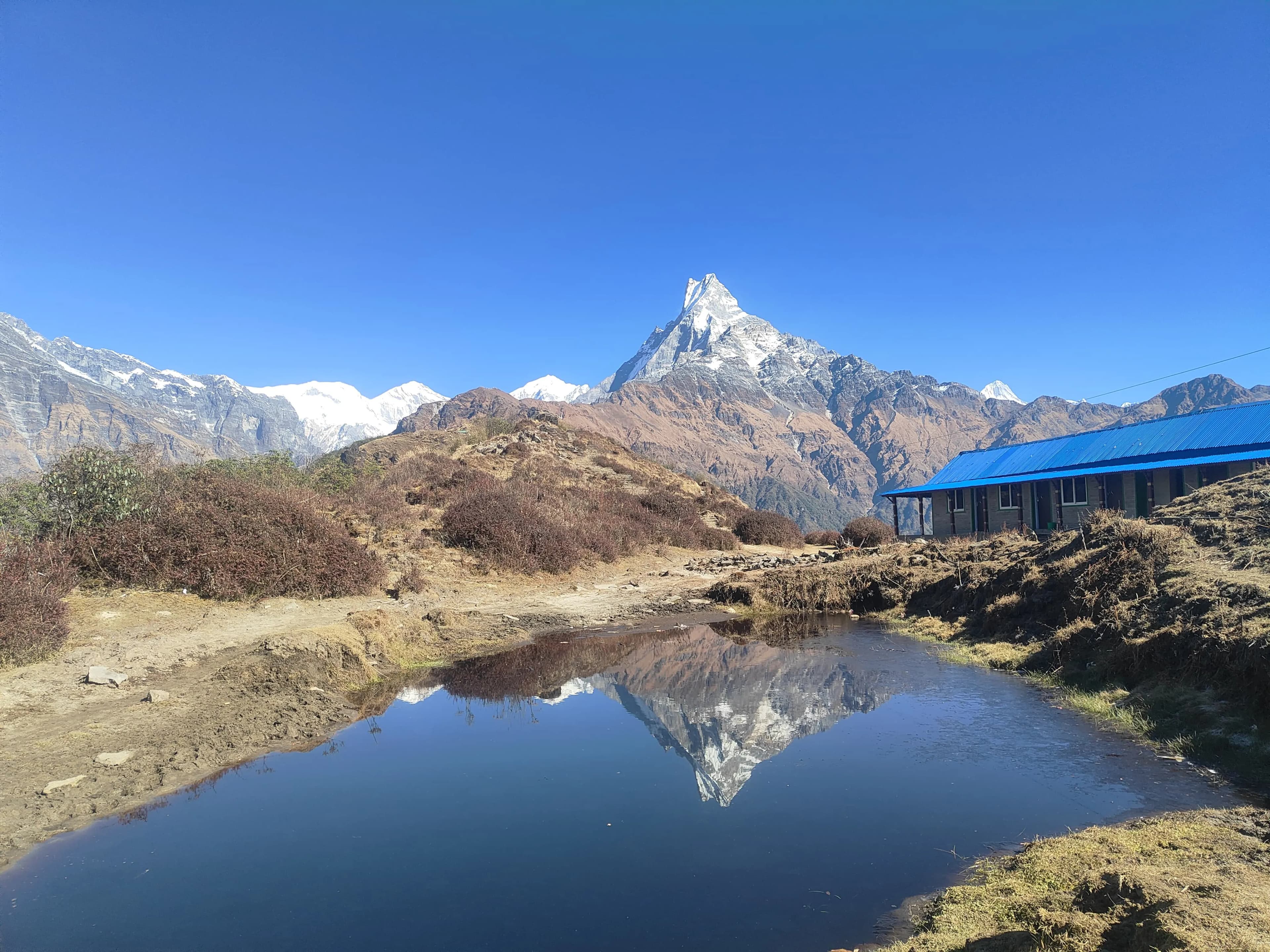
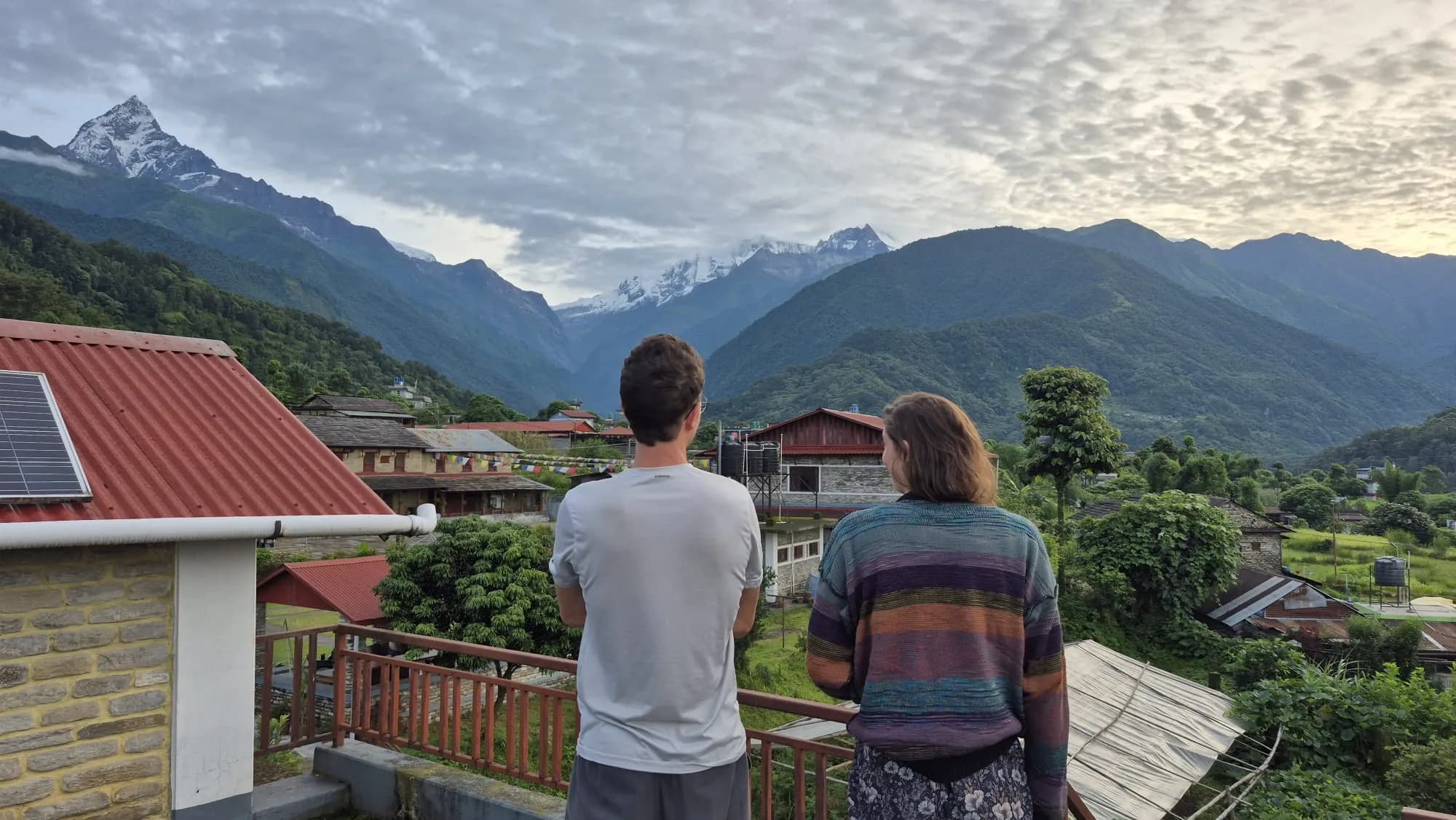
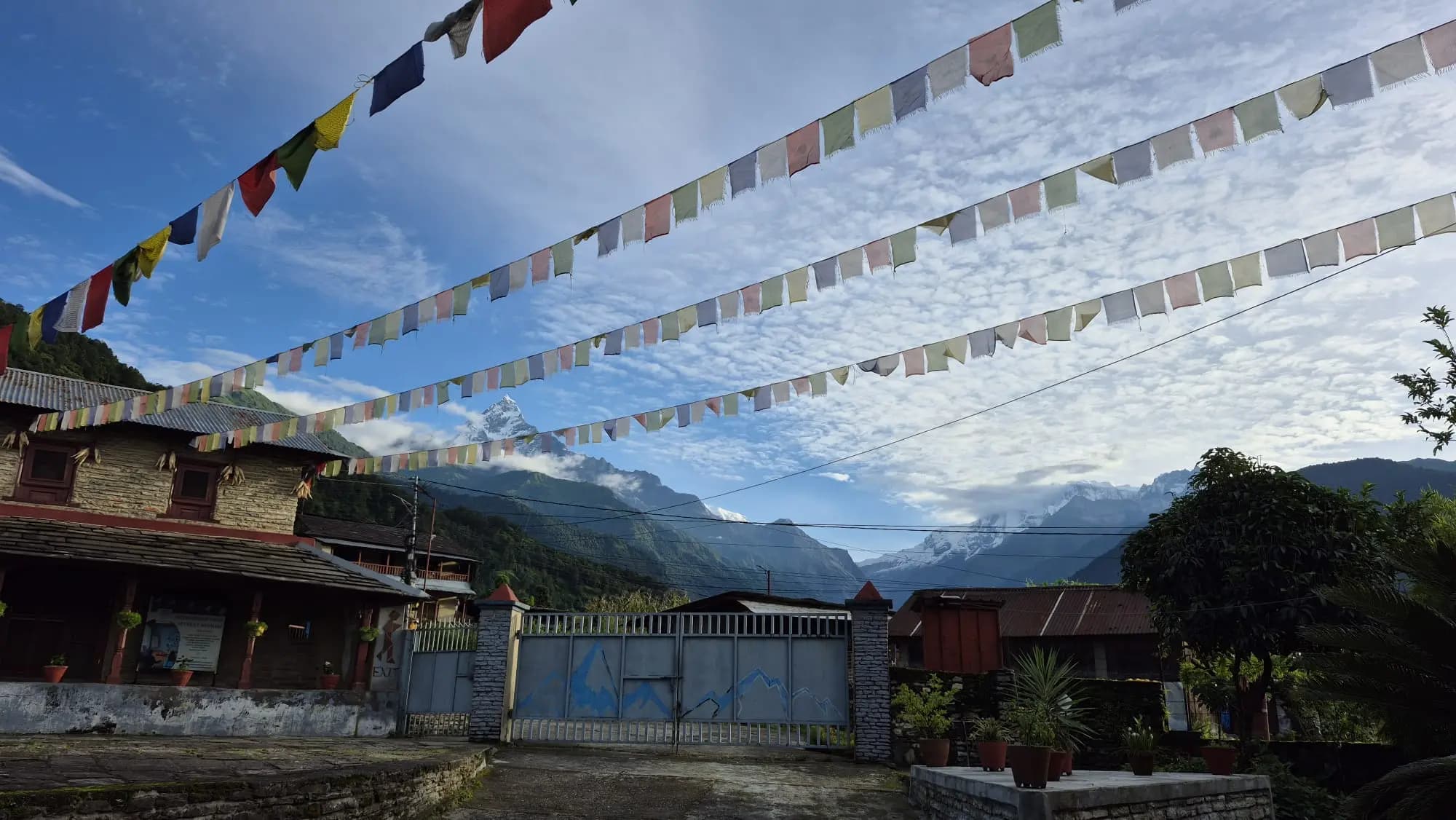
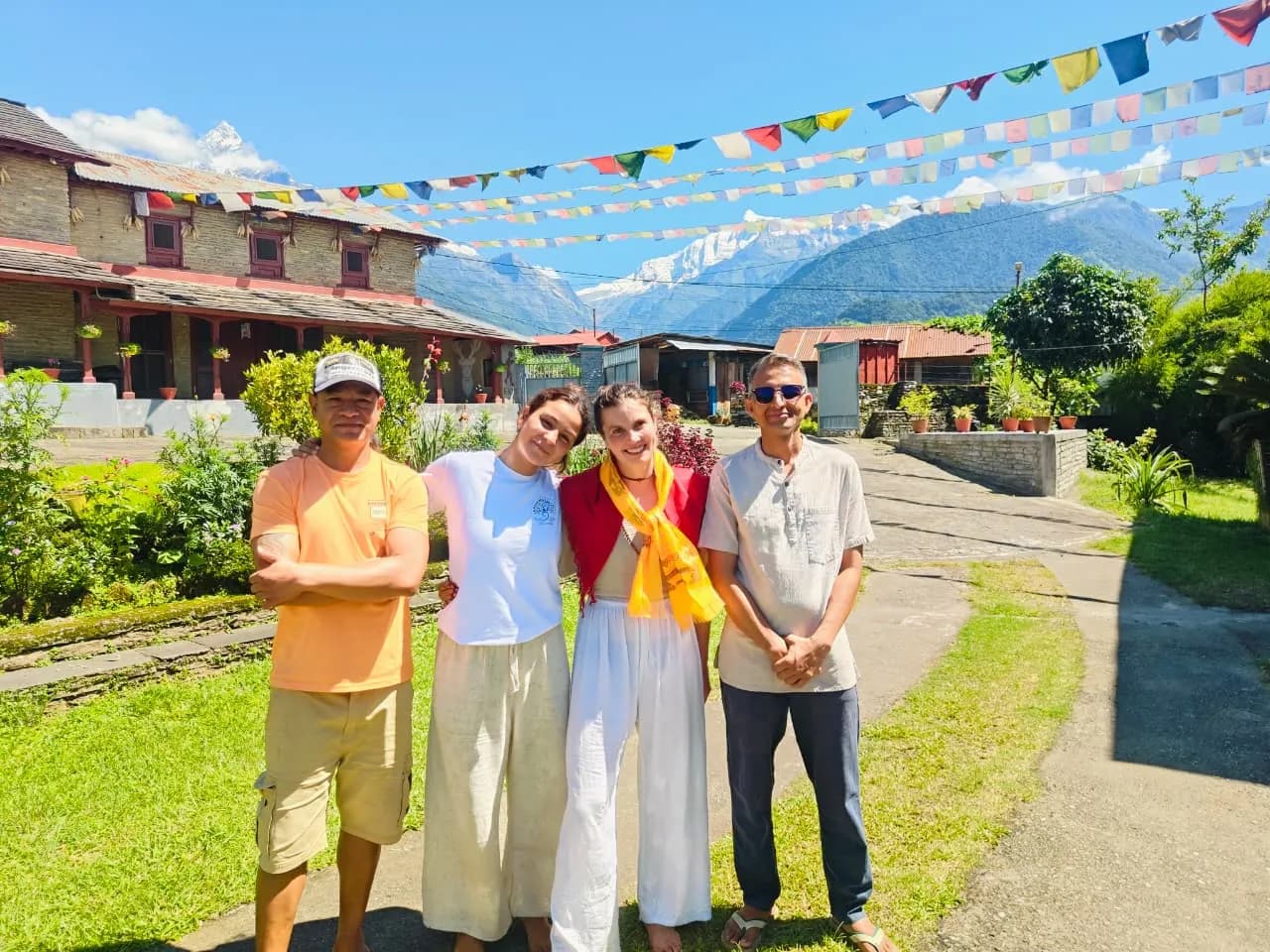
1,320 metres above the lake, with a clear view of Machapuchare.
A handful of guests across the entire ashram at any time.
Every session is led by Swami Ananda, Yogi Deepika, or a senior assistant.
Land in Pokhara, message us, get picked up, settle in, sleep before anything starts.
Every session is led by Swami Ananda, Yogi Deepika, or a senior teacher. No drop-in staff.
Tuition, accommodation, three vegetarian meals a day, materials and airport pickup. No extras.
| What's included | Shared | Private |
|---|---|---|
| AccommodationShared or private room | ✓ | ✓ |
| Three meals a dayOrganic, vegetarian | ✓ | ✓ |
| All sessionsEvery class & workshop | ✓ | ✓ |
| Airport pickupFree, from Pokhara | ✓ | ✓ |
| Flights & visaNot included | — | — |
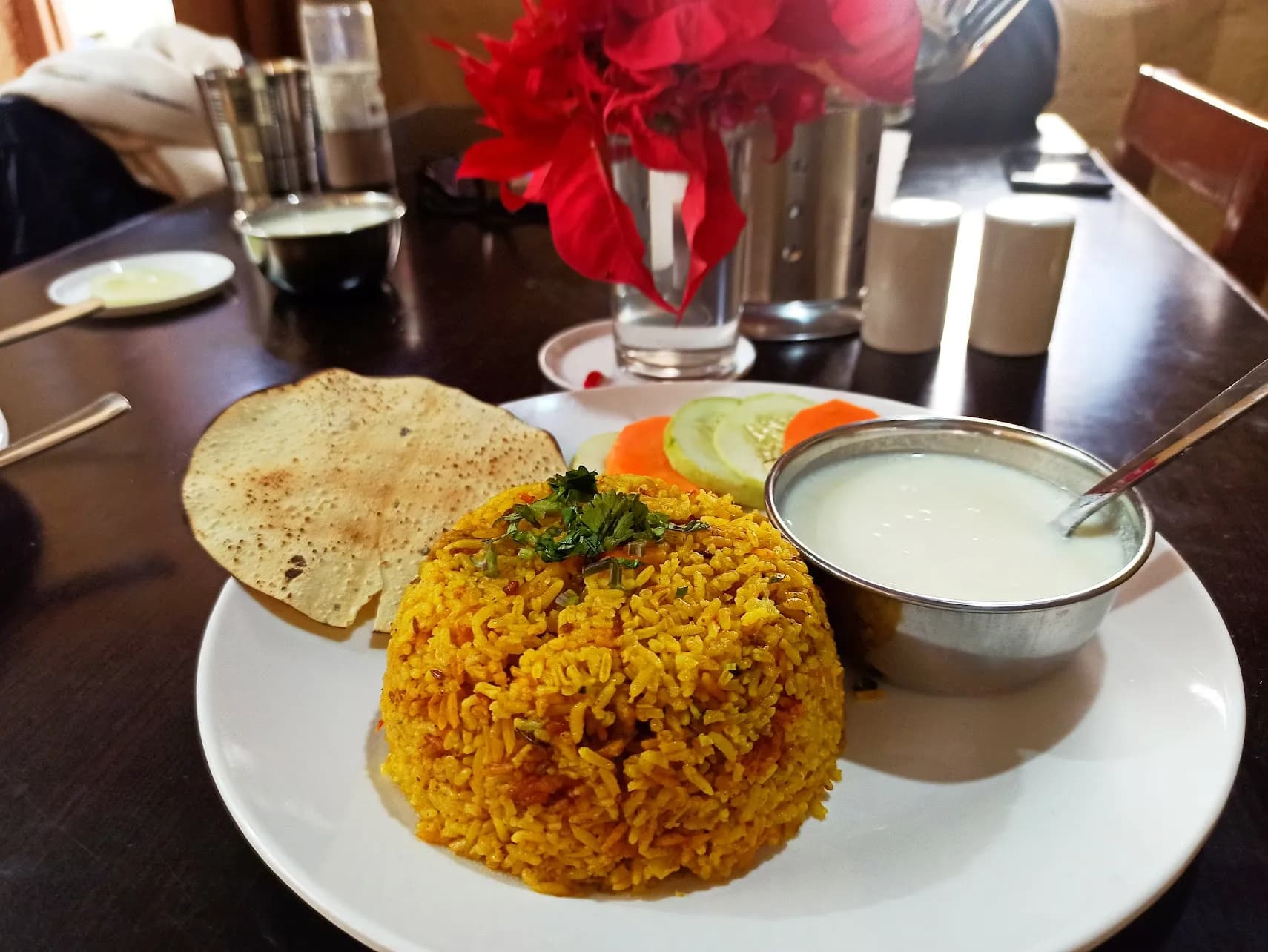
All meals at Bodhidham are organic, freshly prepared and vegetarian, following Sattvic (yogic) dietary principles. Breakfast includes oats, fruits and herbal teas. Lunch is the main meal, dal bhat with seasonal vegetables.
Dinner is lighter with soups, bread or rice with vegetables. Special dietary requirements (vegan, gluten-free, allergies), accommodated with advance notice.
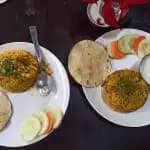
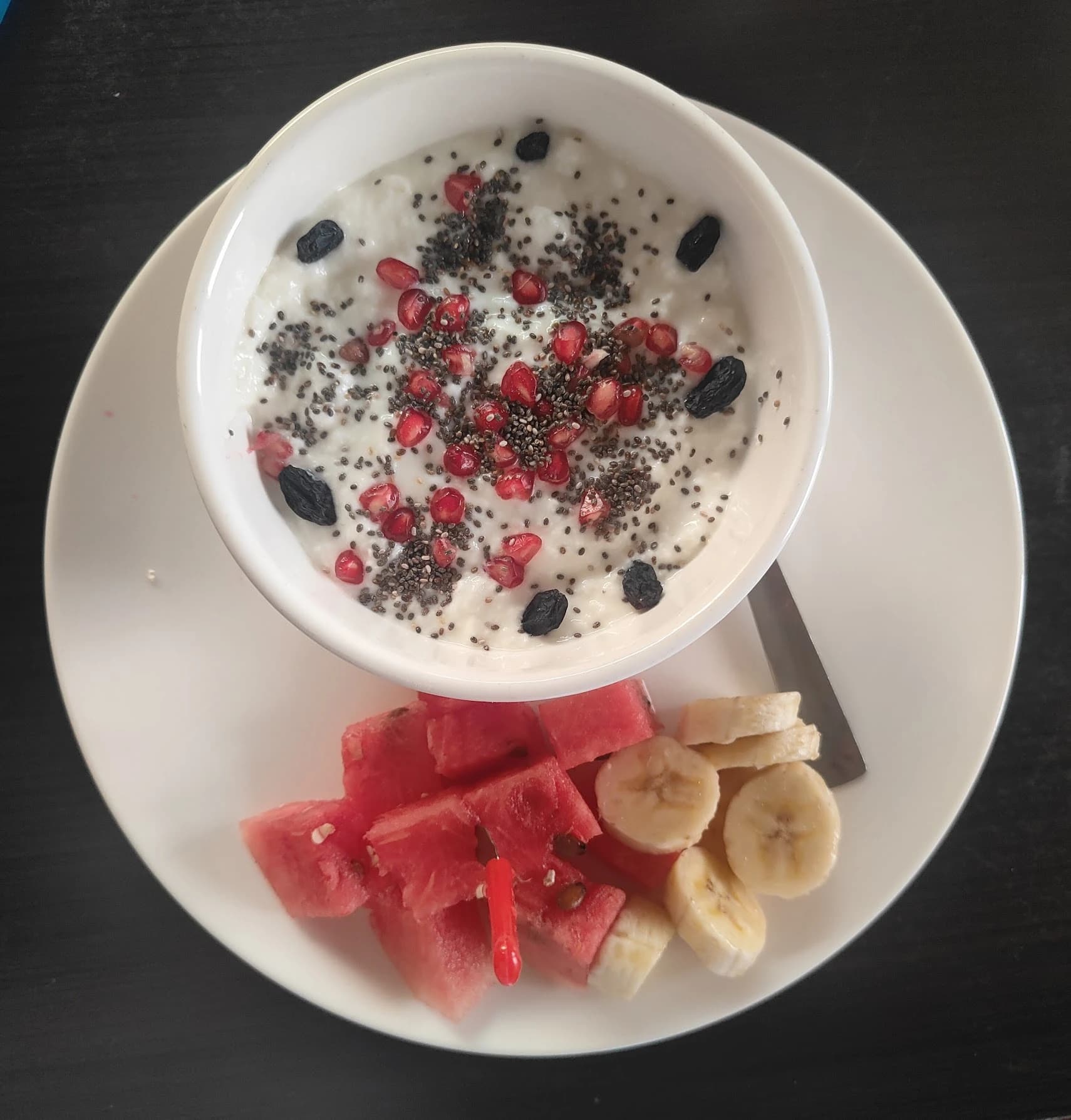
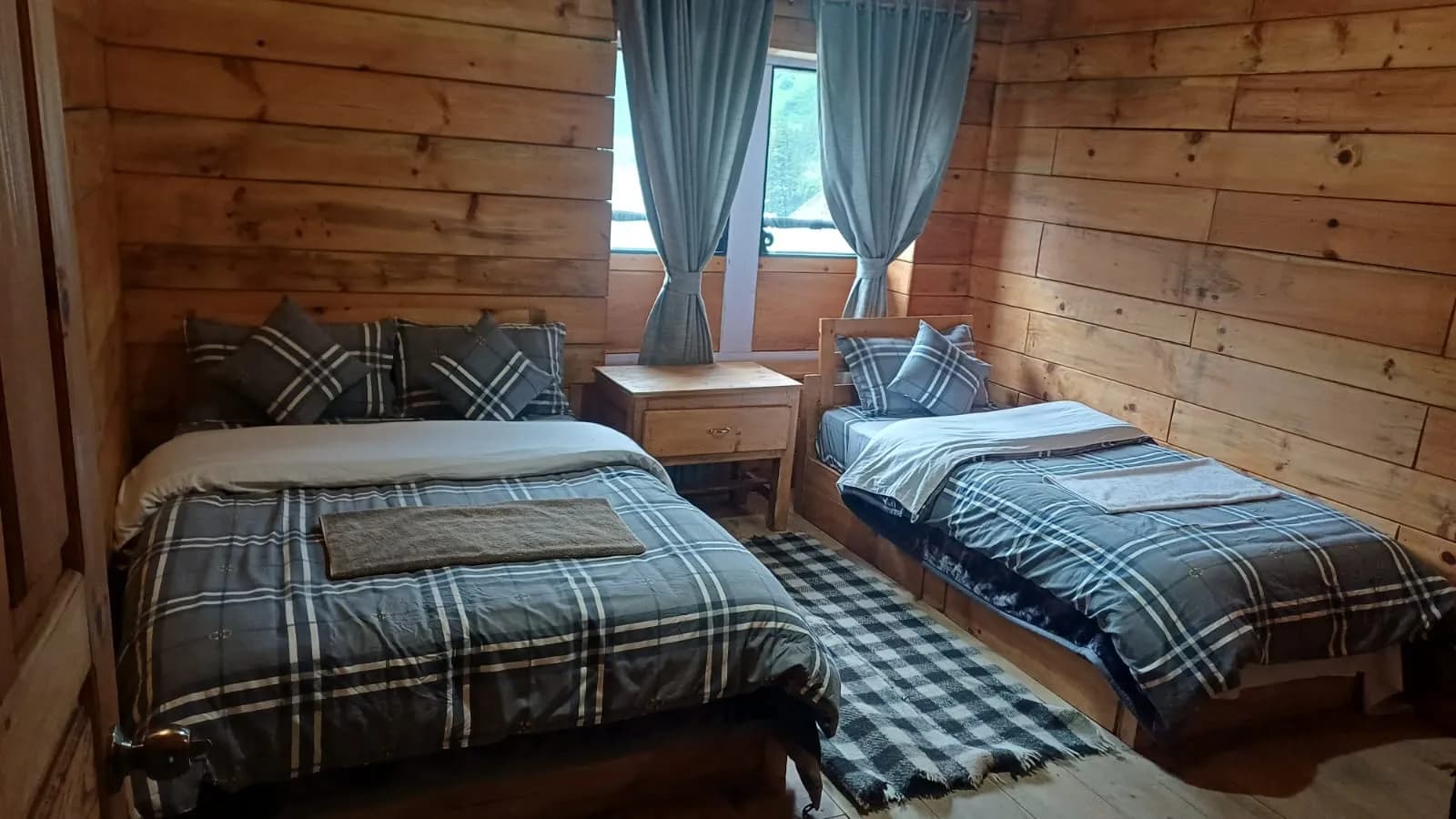
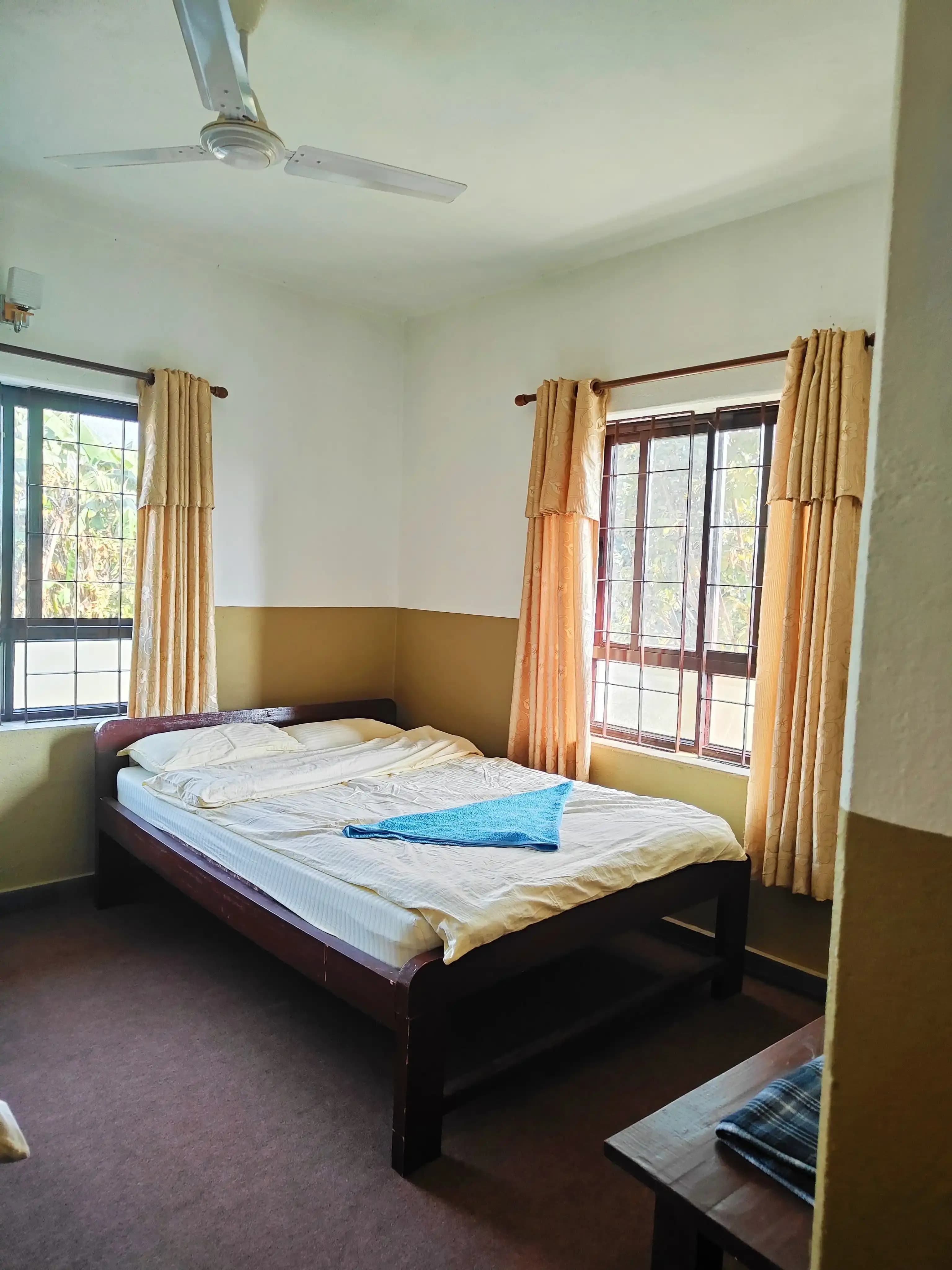
We offer you both private and twin sharing rooms by allowing you to choose what best suits for your comfort and budget.
Guided by the principle that cleanliness is next to godliness, our rooms are kept clean, simple, and comfortable with all basic amenities provided.
 4.9★ from 140+ studentsVerified
Send us a short message about your background and what is drawing you here. We will help you pick the cohort and answer any questions.