

- Bank
- Nepal bank — details shared on enquiry
- Account name
- Bodhidham Yoga School and Spiritual Retreat
- Account number
- Provided on booking confirmation
- SWIFT
- Provided on booking confirmation
- Branch
- Pokhara, Nepal

Singing Bowl Sound Healing Course in Nepal
Duration4 days
Daily practice6 hrs
FocusSound healing
Sound healing
Singing bowl course.
This is a hands-on course in playing Himalayan singing bowls. Unlike a sound healing session where you simply receive the sound, here you learn to use the bowls yourself: how they work, how to play them well, and how to use them for relaxation and meditation. You spend around six hours a day with a bowl in front of you, which is the only way this skill has ever been learned. Reading about a bowl teaches you nothing. Striking one badly a hundred times, and then striking it well, teaches you everything.
Over four residential days you study both metal and crystal bowls, practise daily, and learn enough to keep using them at home, whether for your own practice or to share with others.
Why Sound Healing Course?
A practical, hands-on course in actually playing the bowls, not just hearing them
Both metal Himalayan bowls and crystal bowls covered, and the difference between them
Taught in Nepal, where singing bowls have been made and used for generations
Daily practice, so you leave able to play with some confidence
Gentle yoga and meditation included alongside the bowl work
A small group, with close personal instruction
3 nights on the ashram, three organic meals a day, and pickup from Pokhara
Taught inside a living tradition of sound practice, not as a standalone wellness technique
Daily plan
Your week, spelled out
The shape of every day at Bodhidham is the same as it has been for over a decade.
Day by day
open any day for the full scheduleDay 1Welcome and briefing. – Dinner and rest.
Day 1 schedule Welcome and briefing. Arrive and settle in with a welcome herbal tea and orientation briefing.Lunch. Enjoy your first meal at the ashram.First course session. Begin your first yoga/meditation session, followed by herbal tea.Meditation. An evening meditation session to help you settle further.Dinner and rest. Dinner, followed by rest for the night.Day 2Morning yoga. – Dinner and rest.
Day 2 schedule Morning yoga. Start the day with a yoga practice.Breakfast. A nourishing sattvic breakfast.Journaling. Time for personal reflection and journaling.Lunch. Midday meal.Second course session. Your second yoga/meditation/philosophy session of the retreat.Tea break. A short pause with herbal tea.Meditation. An afternoon or evening meditation session.Dinner and rest. Dinner, followed by rest for the night.Day 3Hatha yoga. – Dinner and rest.
Day 3 schedule Hatha yoga. Morning Hatha yoga practice.Breakfast. A nourishing sattvic breakfast.Journaling. Time for personal reflection and journaling.Lunch. Midday meal.Third and final course session. Your third and final yoga/meditation/philosophy session of the retreat.Tea break. A short pause with herbal tea.Meditation. An afternoon or evening meditation session.Dinner and rest. Dinner, followed by rest for the night.Day 4Morning yoga. – Farewell.
Day 4 schedule Morning yoga. A final yoga practice to close out the retreat.Breakfast. Your last meal together at the ashram.Farewell. Departure and farewell to the group.
Singing Bowl Healing Course Detail:
The 4-day Singing Bowl Healing Course at Bodhidham, in Ghachowk near Pokhara, is a practical introduction to playing Himalayan singing bowls. The course teaches you how the bowls work, how sound and vibration are produced, and how to play them with control for relaxation and meditation.
It covers both metal bowls, with their warm, layered tones, and crystal bowls, with their clearer, higher sound, and how each is used. Teaching combines theory with daily hands-on practice, and gentle yoga and meditation are part of the daily rhythm.
Instruction is personal rather than lecture-style. Groups are small, so a teacher can stand next to you, listen to what your bowl is doing, and correct the angle of your wrist or the speed of your circling on the spot.
What you learn:
- How singing bowls work. How a bowl's size, metal, and shape affect its tone, and how striking and circling produce different sounds.
- Playing technique. Hands-on practice in producing a clean, steady sound and controlling tone and volume.
- Metal and crystal bowls. The difference between the two, and how each is typically used.
- Bowls in meditation. How to use the bowls to support relaxation and meditation, for yourself or in a group.
- Playing on and around the body. How the bowls are used close to the body, and the sensations this creates.
- A simple home practice. Putting it together into something you can keep doing after the course.
Understanding the bowl in your hands
You will spend four days with these objects. Knowing what they actually are makes the practice better, and it also stops you being sold something worthless later.
How does a bowl make its sound?
A singing bowl is played two ways, and they are completely different skills.
Striking means hitting the rim or the side with a padded mallet. The sound arrives all at once, loud, then fades over a long decay. This is the easy one, and it is what you will do on the first afternoon.
Circling, sometimes called rimming or rubbing, means running a wooden or leather-wrapped mallet around the outside of the rim under steady pressure. The friction catches and releases hundreds of times a second, which sets the wall of the bowl vibrating and builds the sound up rather than starting it. This is the hard one. Too fast and it chatters, too slow and it dies, too much pressure and it rattles, too little and nothing happens. Most students get their first clean circle somewhere in the second session, and it is a good moment.
Why does the sound wobble?
Strike a piano key, and you get one clear note. Strike a singing bowl, and you get several at once, and they are not in tidy musical relationships with each other.
A bowl produces a fundamental tone plus a set of higher partials sitting above it. Because a bowl is hand-hammered, it is very slightly out of round, and the wall is not the same thickness everywhere. That means two partials very close together in pitch, and when two close frequencies sound at the same time, you hear a slow pulsing, a wah-wah-wah in the tone. That beating is the sound people find hypnotic.
Add water to a bowl, and the pitch drops, the beating changes, and at the right frequency you can watch standing waves form ripples on the surface. This is one of the more useful teaching demonstrations, because you can see the thing you are otherwise only hearing.
Metal bowls and crystal bowls
| Feature | Metal Himalayan Bowls | Crystal Bowls |
| Made from | Bronze alloy, copper and tin, hand-hammered. Tradition speaks of seven metals, one for each classical planet: gold, silver, copper, iron, tin, lead and mercury. Most working bowls are simpler than that. | Quartz, either frosted or clear, fused at very high temperature and machine-formed. |
| Tone | Warm, complex, layered. Many partials, strong beating, a rougher and more human sound. | Clean, high, close to a single pure note. Long sustain, much louder. |
| Best at | Detail, texture, close work near the body, personal practice. | Filling a room, group sessions, holding one clear tone for a long time. |
| Feels like | Something you can hear inside the body, especially the low bowls. | Something that seems to come from everywhere at once. |
They do different jobs, which is exactly why the course teaches both. Students usually arrive with a strong preference and leave with a different one.
Where does this tradition actually come from?
There are two stories about singing bowls. One is what gets printed on gift shop labels. The other is what the evidence supports. The second one is more interesting.
The honest history
Singing bowls are almost certainly Himalayan household metalwork before they were anything spiritual. The Newar metalworkers of the Kathmandu Valley have been making fine bronze vessels for a very long time, and bowls of exactly this kind were used for eating and for storing food. Their resonance was noticed, valued, and eventually put to other uses.
The English name is genuinely recent. The word singing only attached itself to these bowls in the West around the 1960s, which is also when they began to be marketed as ancient Tibetan ritual instruments. That framing is a twentieth-century invention. The bowls are real, the craft is real, and the sound does what it does. The origin story is the part that got embroidered.
Is this course right for you?
- You have been to a sound bath, liked it, and want to be the one holding the mallet
- You already teach yoga, massage, or therapy and want to add sound to what you offer
- You meditate and find the breath a difficult object to hold. Sound is often easier
- You want the real instrument from the country that makes it, rather than an online course
- You are buying a bowl in Nepal anyway and would rather know how to play it properly
- You want four quiet days somewhere beautiful with something concrete to show for them
What four days can honestly give you?
You will leave able to strike and circle cleanly, control volume and tone, choose the right mallet, tell a good bowl from a poor one, run a simple session on yourself, and lay a set of bowls around a person and play them without fumbling.
You will not leave a master. Nobody is, after four days, at anything. What you will have is a real working skill and the ear to keep improving on your own, which is the thing most short courses fail to give.
Why choose Bodhidham?
1. Traditional lineage-based teaching from experienced yogis. The sound work is taught inside a living practice, not as a standalone technique.
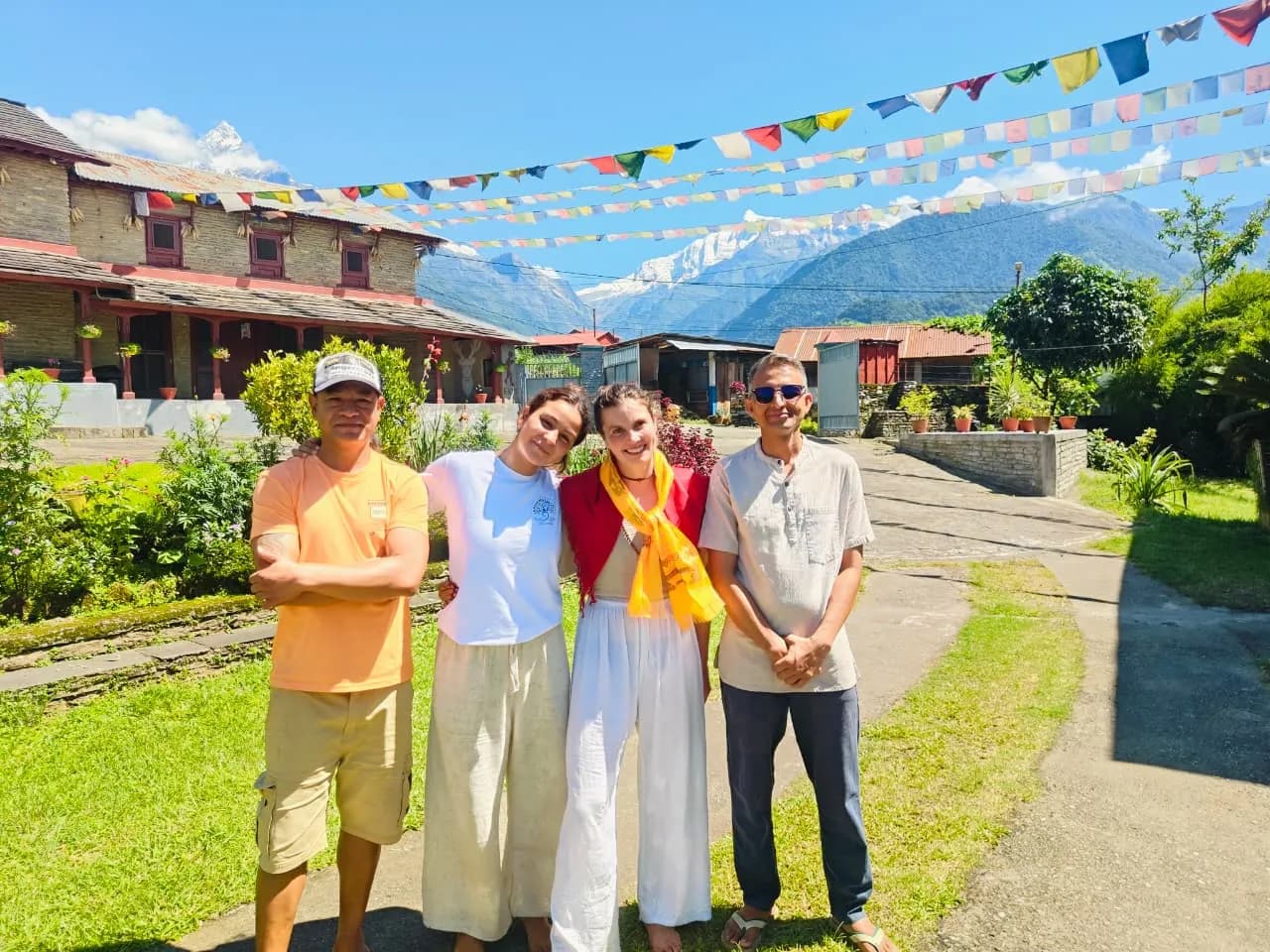
2. Family environment. The ashram is small enough that everybody eats together and everybody knows your name by the second meal.
3. Organic food grown on a local farm. Most of what is on your plate was picked that morning from the terraces below the building.
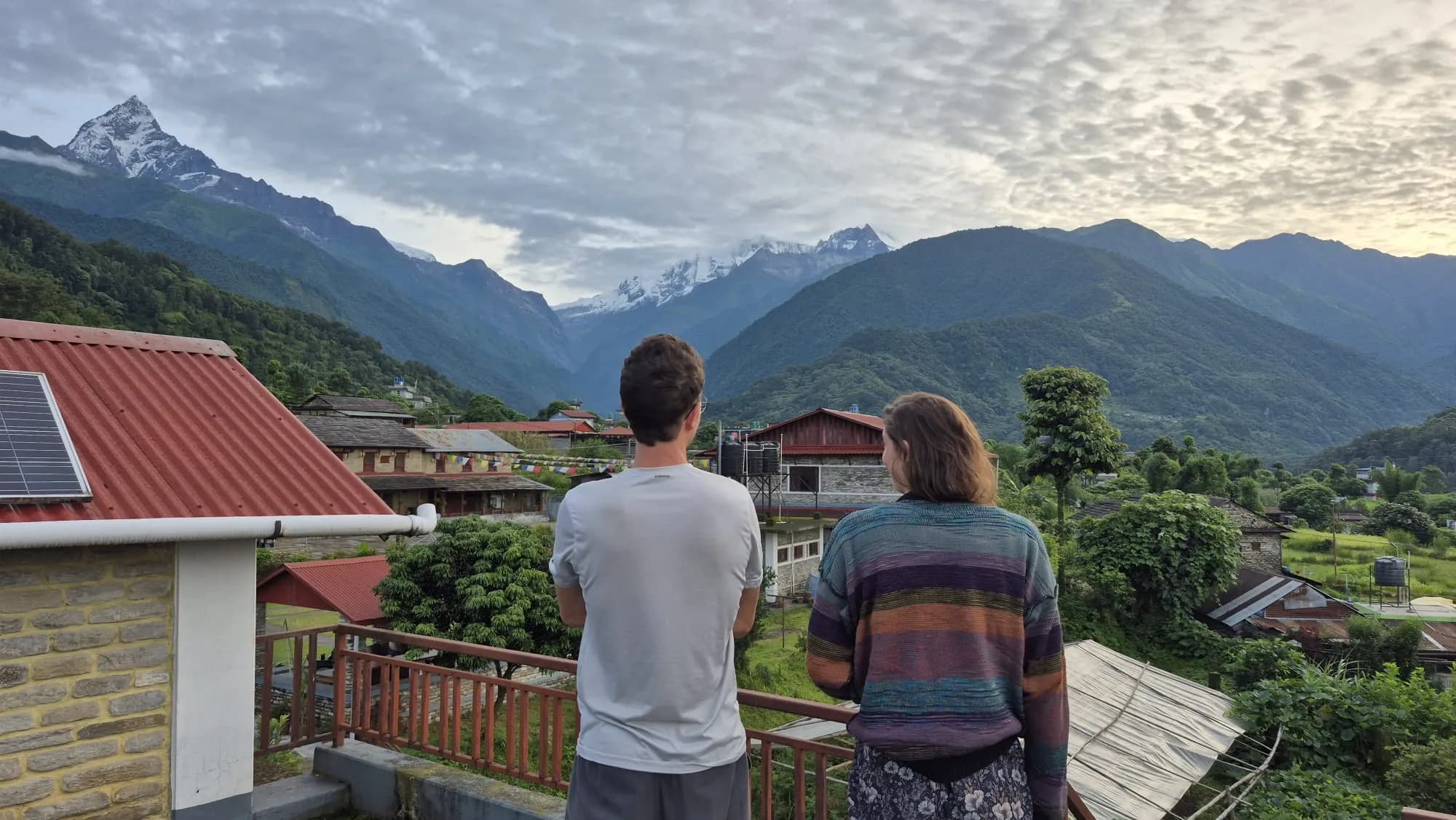
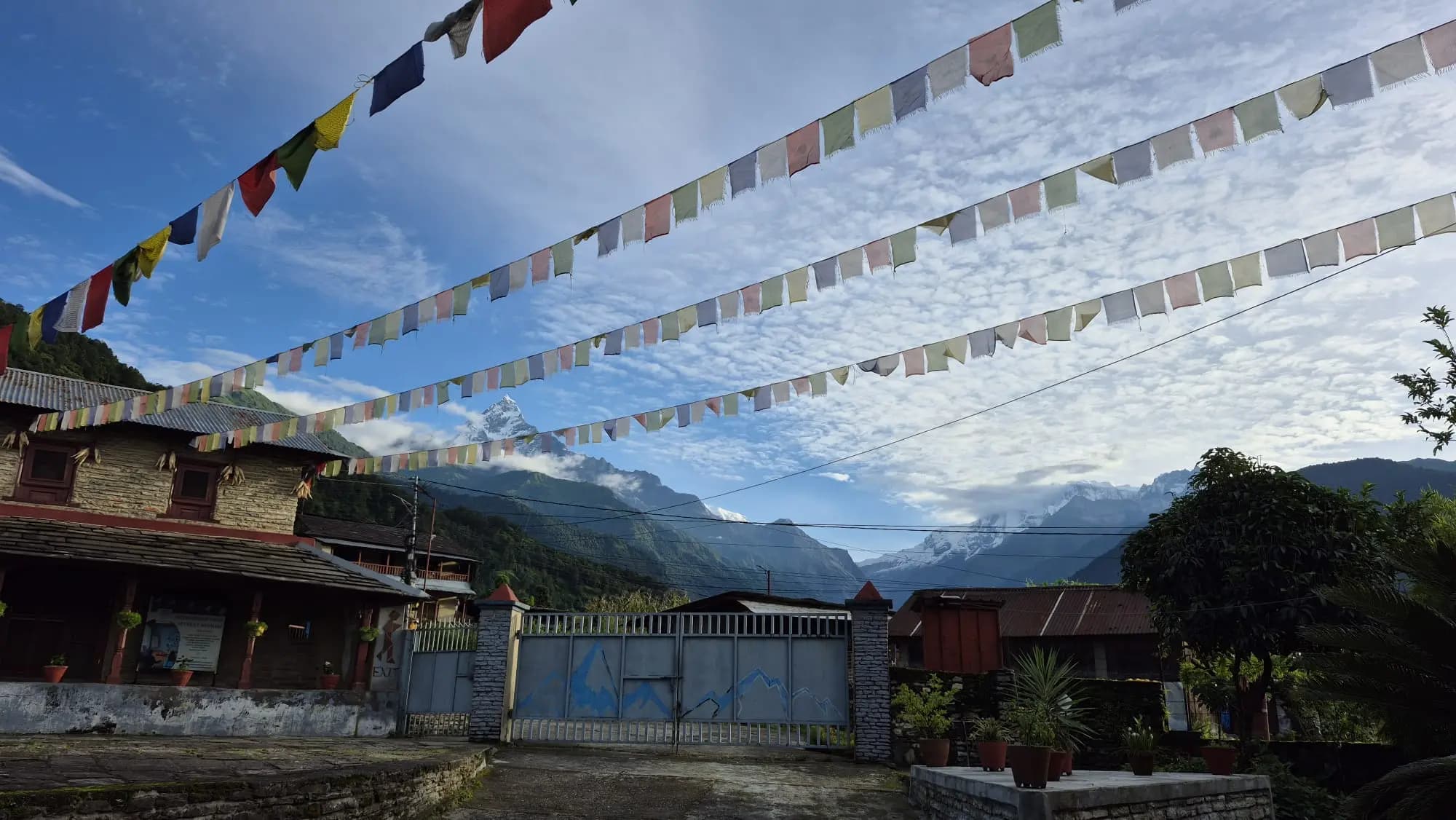
4. Away from the city, at the height of 1,320 m in Ghachowk Village. Quiet enough to hear what a bowl is actually doing.
6. In the lap of the holy mountain, Machhapuchhre, which faces the ashram directly and has never been climbed.
Ready to step out of the noise?
Reserve your seat at Bodhidham.
 4.9★ from 140+ studentsVerified
Reviews from our students
Pricing & what’s included
Everything in. Nothing hidden.
Every plan includes sessions, sattvic meals, accommodation and free Pokhara pickup. Pick the room that fits you.
Shared / Couple
Sharing room
€360per person
- Best for couples & solo travellers
- Twin beds, shared bath
(€400 includes Yoga Retreat)
Cost includes & excludes6 included·4 excluded
Show allHide
Cost includes & excludes
6 included·4 excluded
Included in your fee
- Daily sound healing sessions
- Personalised instruction from experienced instructors
- Cultural immersion activities
- Course materials and resources
- Certificate of completion
- Hands-on instruction in playing Himalayan and crystal singing bowls
Not included
- International and domestic flights
- Nepal visa
- Personal expenses
- Travel insurance
The teaching team
Taught by 3 Yogis
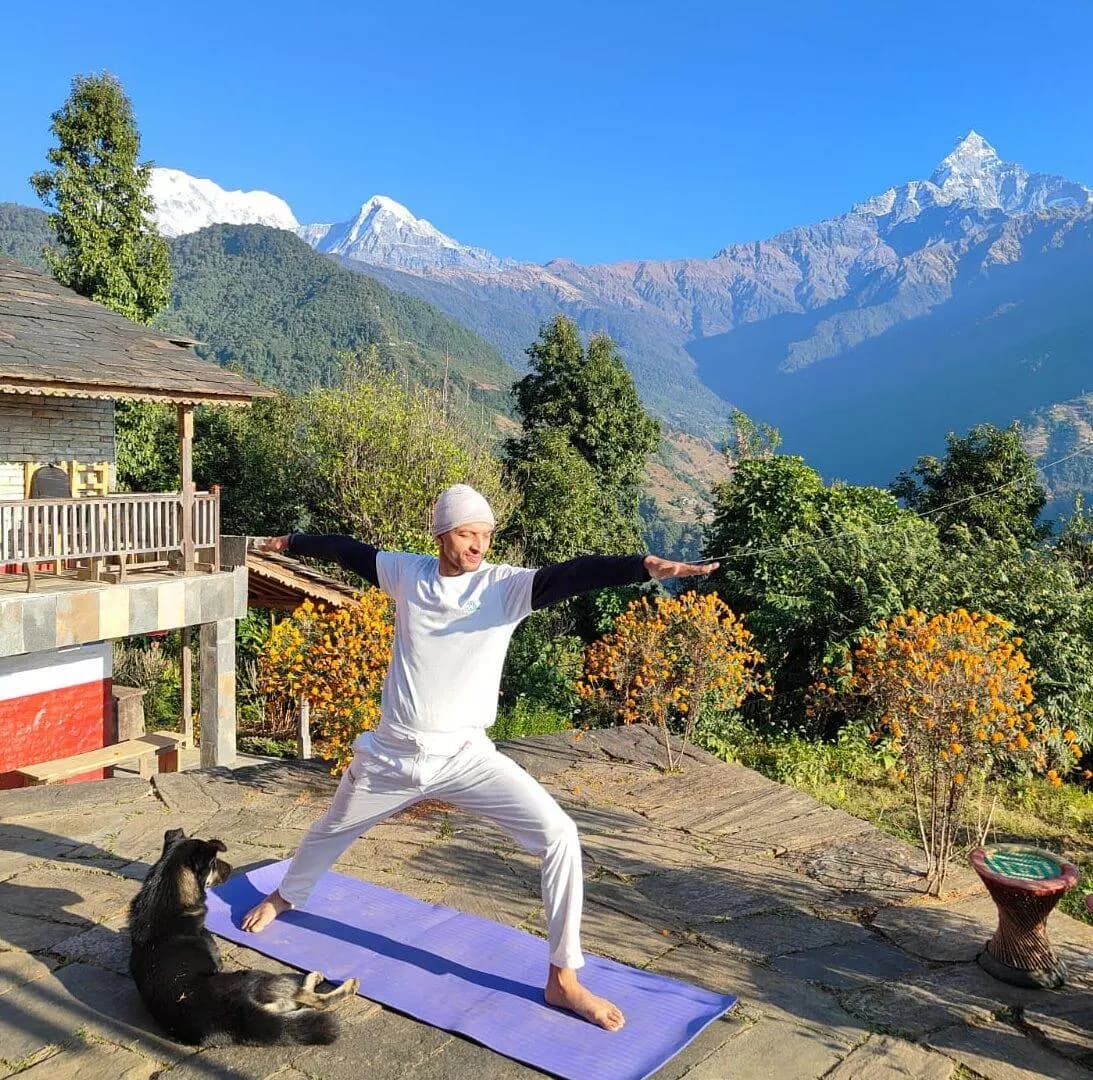 SwamiFounder & Spiritual Head
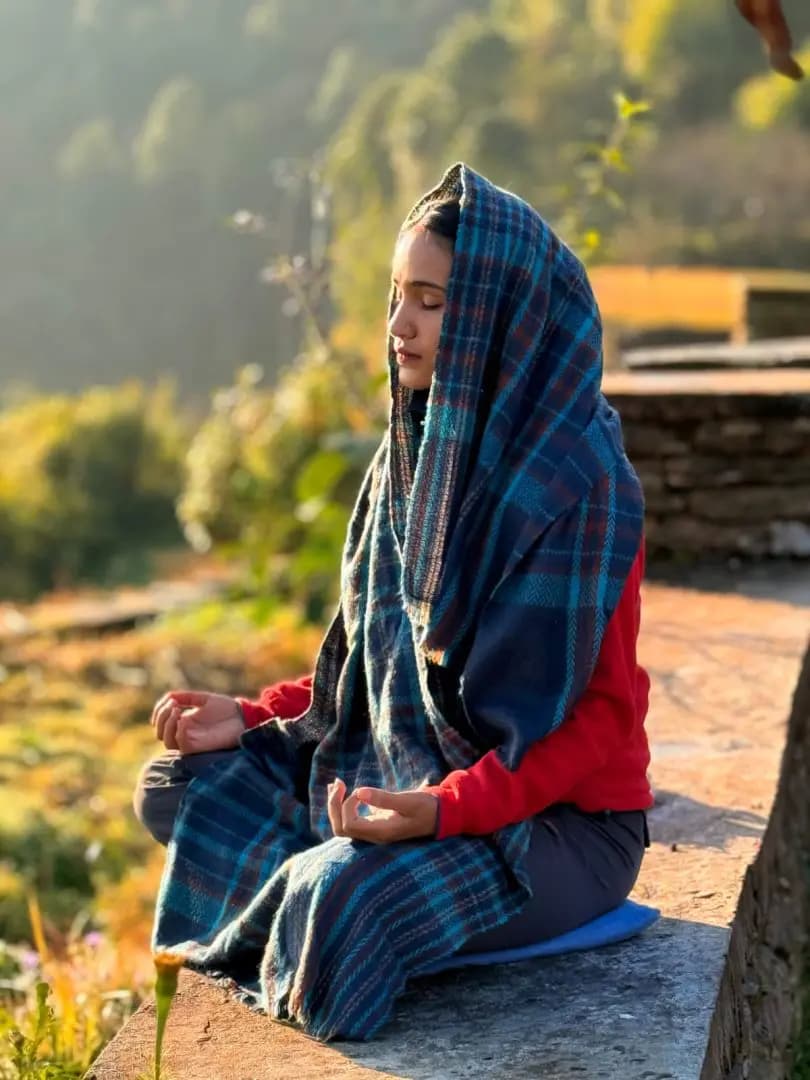 DeepikaYoga & Anatomy Teacher
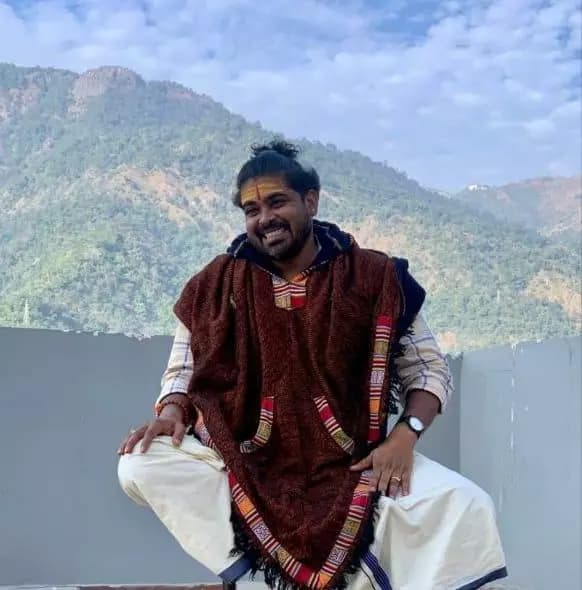 RatheeshGuest Yoga Teacher
Why Bodhidham
Why choose Bodhidham?
- i.Traditional lineage-based teaching from experienced yogis
- ii.Family Environment
- iii.Organic food grown on a local farm.
- iv.Away from the city. At the height of 1320 m, Ghachowk Village.
- v.Pollution-Free Location, Best AQI.
- vi.In a lap of the holy mountain, Machhapuchhre.
Bank details & booking
How to reserve your seat.
To confirm your booking, a 20% advance of the total program fee is required. The remaining 80% is due on arrival, before the program begins.
Bank transfer
Exact bank details are shared by WhatsApp/email once your dates are confirmed.
Before you book
Frequently asked
Do I need any musical or yoga experience to join?
+
No. The course is built for complete beginners, and you do not need to read music or play any instrument. You also do not need yoga experience. Everything, from holding the mallet to producing a clean tone, is taught from the start, so anyone can follow it.
Is this a course to play the bowls, or a session to receive them?
+
It is a course to play them yourself. This is the main difference between this and a sound healing session. In a session you lie down and receive the sound. Here you learn the practical skill: how the bowls work, how to play them with control, and how to use them for relaxation and meditation, so you can keep using them after you leave.
What is the difference between metal and crystal bowls, and does the course cover both?
+
Yes, the course covers both. Metal Himalayan bowls have a warm, layered tone, and crystal bowls have a clearer, higher sound. You learn how each is made, how each is played, and how they are typically used, so you can decide what suits your own practice.
Will this course certify me to work as a sound healer?
+
We would rather you ask us directly before booking, because this is important to get right. This is a short 4 day introductory course. If you need a formal certificate to teach or to offer paid sessions, contact us first and we will tell you honestly what this course does and does not provide, so your expectations match what you receive.
What does the price include?
+
The course includes 3 nights accommodation on the ashram in a shared or private room, three organic vegetarian meals a day, all singing bowl instruction and practice sessions, daily yoga and meditation, course materials, and pickup and drop-off in Pokhara. It does not cover international flights or your Nepal visa. The course fee itself is confirmed at the time of booking.
Our kitchen
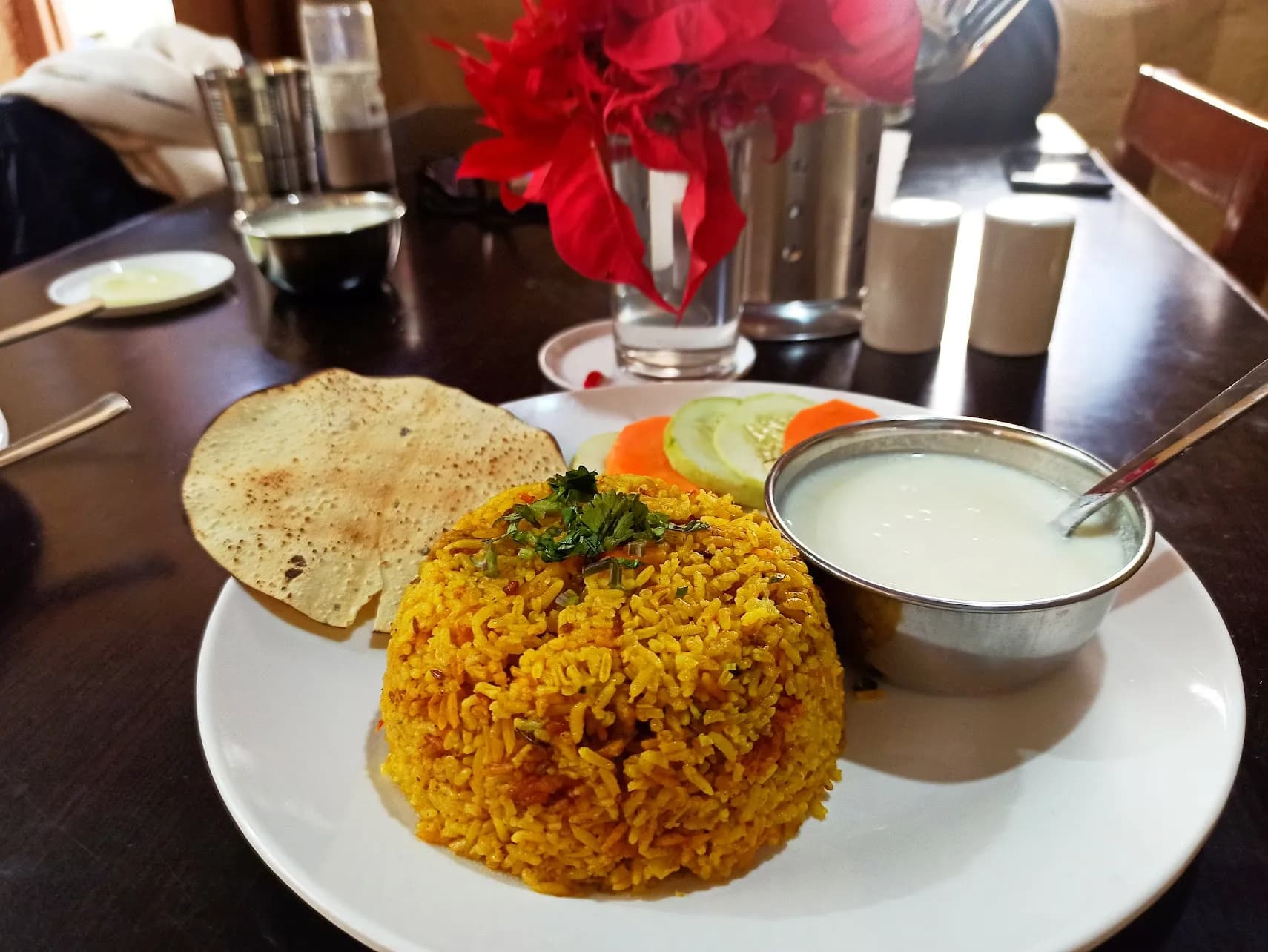
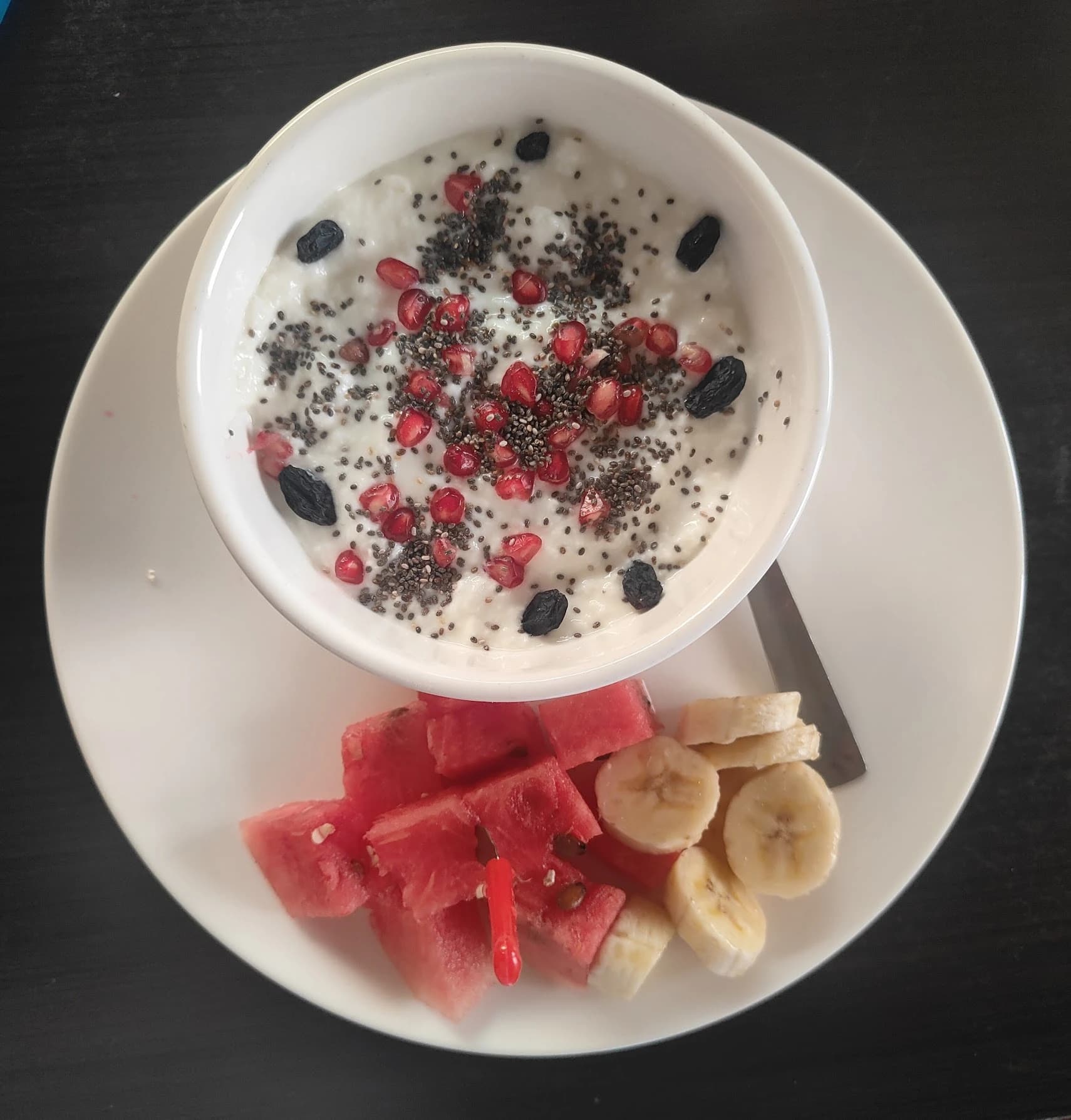
Three sattvic meals, mostly from the farm.
All meals at Bodhidham are organic, freshly prepared and vegetarian, following Sattvic (yogic) dietary principles. Breakfast includes oats, fruits and herbal teas. Lunch is the main meal, dal bhat with seasonal vegetables.
Dinner is lighter with soups, bread or rice with vegetables. Special dietary requirements (vegan, gluten-free, allergies), accommodated with advance notice.
- Herbal Tea: Provided With Each Meal.
- Source: Mostly own organic farm
- Meals: Three a day, included
- Special diets: Vegan & gluten-free on request

Around Bodhidham
Ashram premises and Accommodation
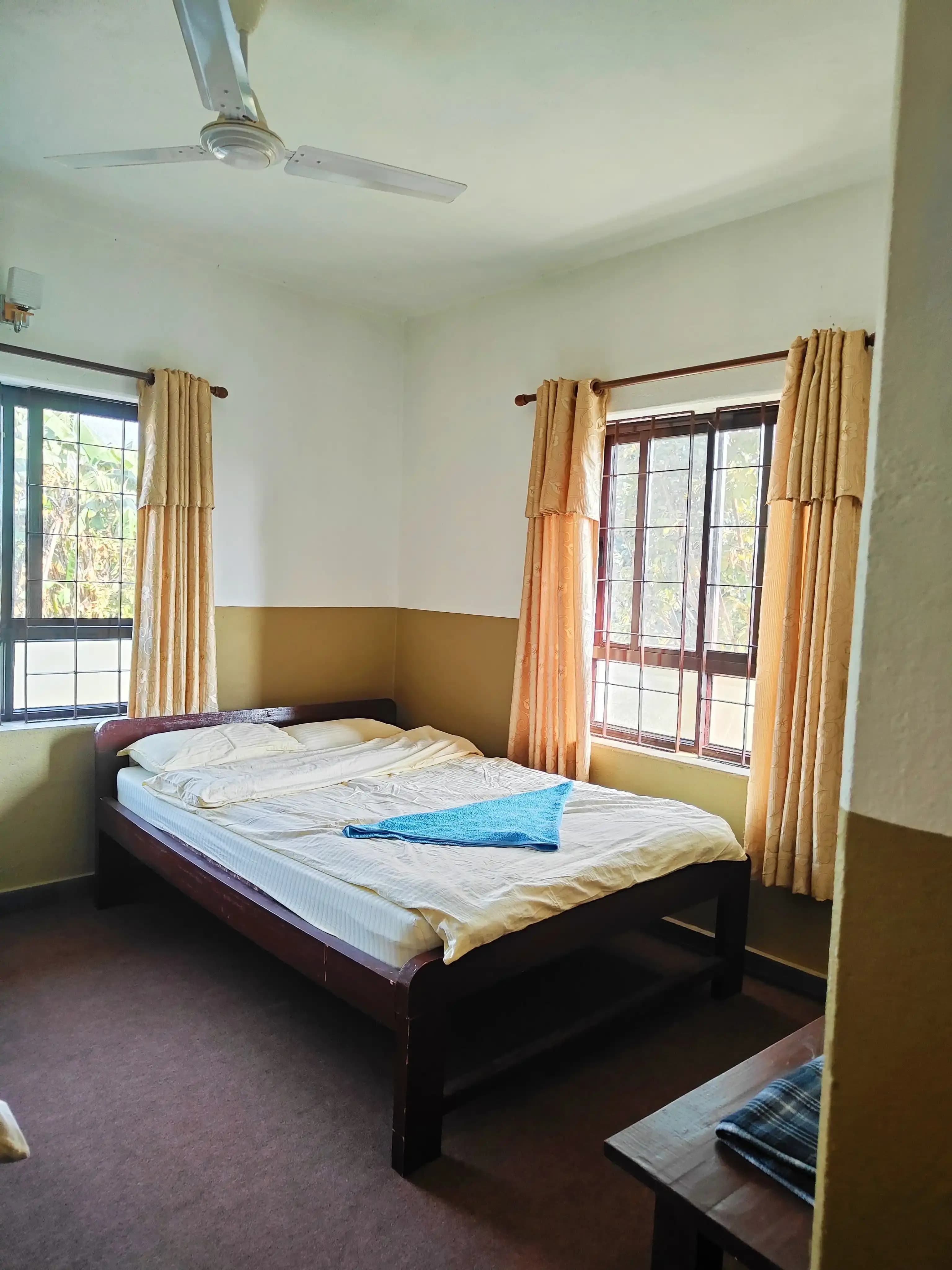
We offer you both private and twin sharing rooms by allowing you to choose what best suits for your comfort and budget.
Guided by the principle that cleanliness is next to godliness, our rooms are kept clean, simple, and comfortable with all basic amenities provided.
- Hot Water: 24/7 hot water is available in the bathrooms.
- Beds: Bedsheets and towels are changed regularly.
- Toiletreies: Basic toiletries are provided by the Ashram.
- Room: Rooms are cleaned routinely to maintain a peaceful and hygienic living space.
Know before you arriveVisa Best season What to bring Health
The practical side of it.
A few honest notes before you book. Most students fly into Kathmandu and either fly or bus to Pokhara, and we collect you from the airport or the bus park, free.
Visa on arrival at Kathmandu (Tribhuvan) for 80+ nationalities. USD 30 (15 days) / 50 (30 days) / 125 (90 days). Bring 2 passport photos and USD cash.
September to November and February to May are the clearest. Monsoon (June to August) is quieter and often better priced. We run year-round.
Modest yoga clothes, warm layer (mornings are cool), refillable water bottle, journal. Mat, blanket and bolster are provided.
No mandatory vaccines. If on prescription medication, bring a supply. Pokhara has good clinics; we are 20 minutes from the city hospital.
Similar retreats
Muktinath Spiritual Yoga Tour
7 days€1299
View retreat →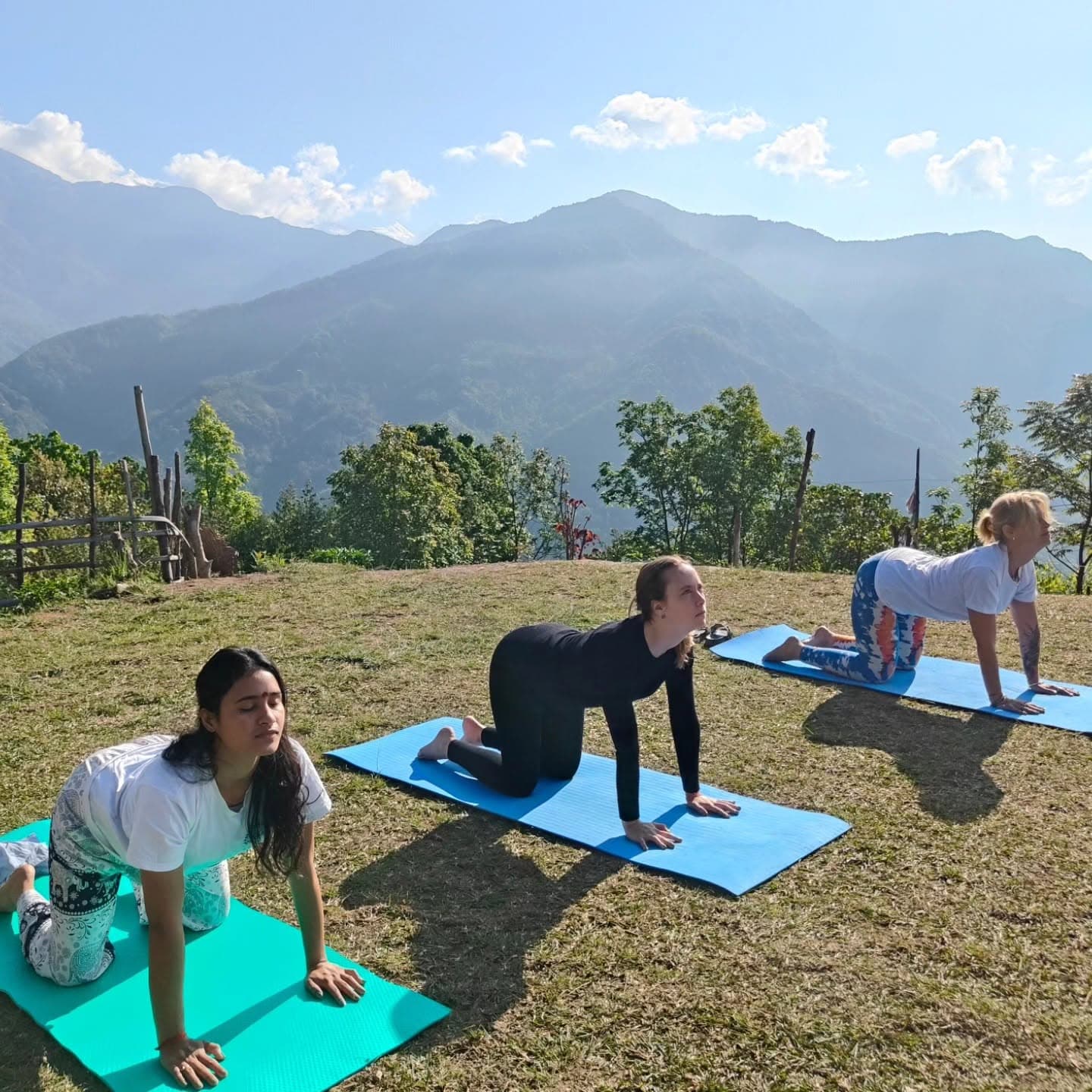
Transformative Traditional Yoga Course
21 days€1300
View retreat →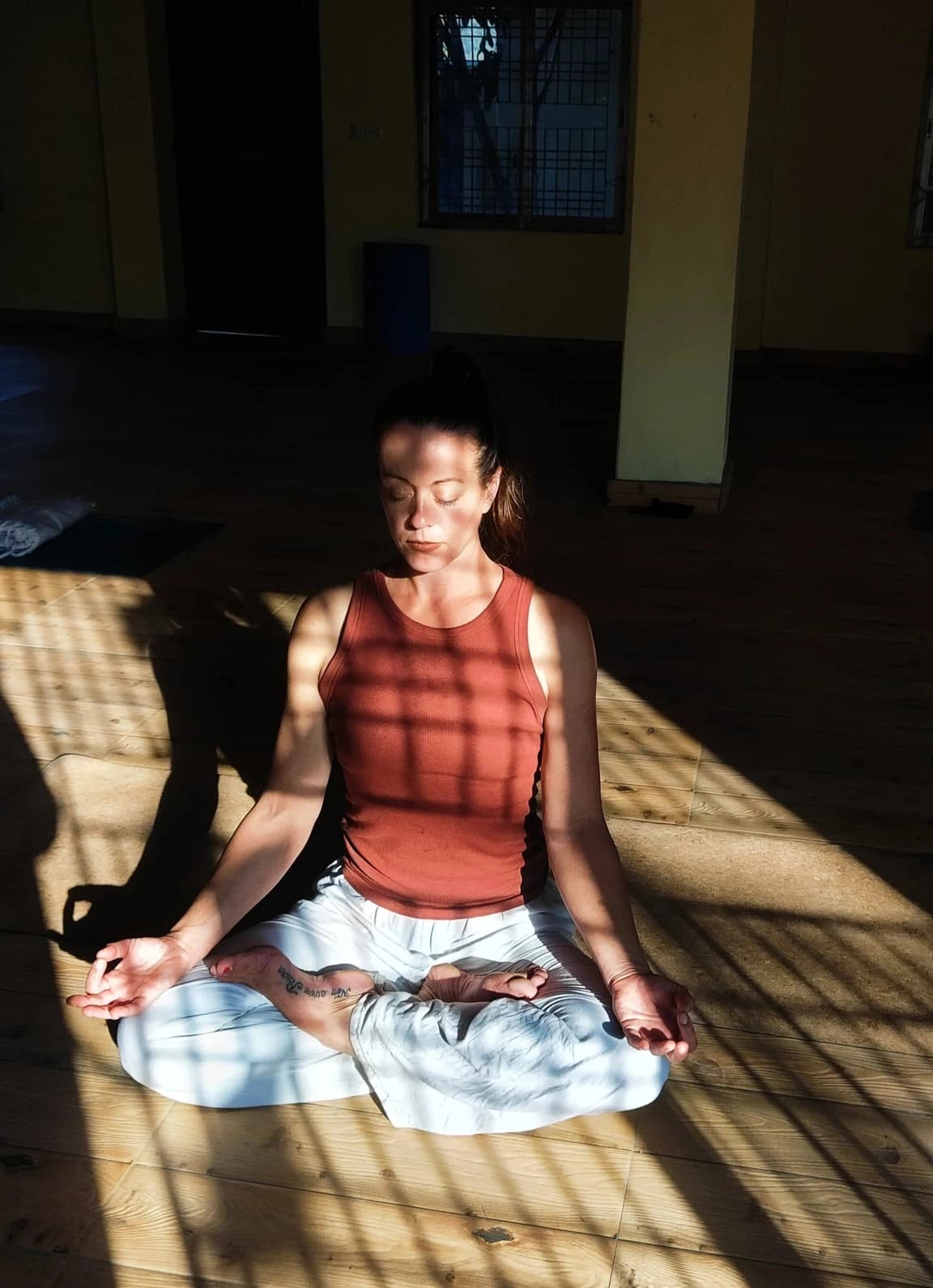
Chakra Workshop & Healing Retreat
8 days€505
View retreat →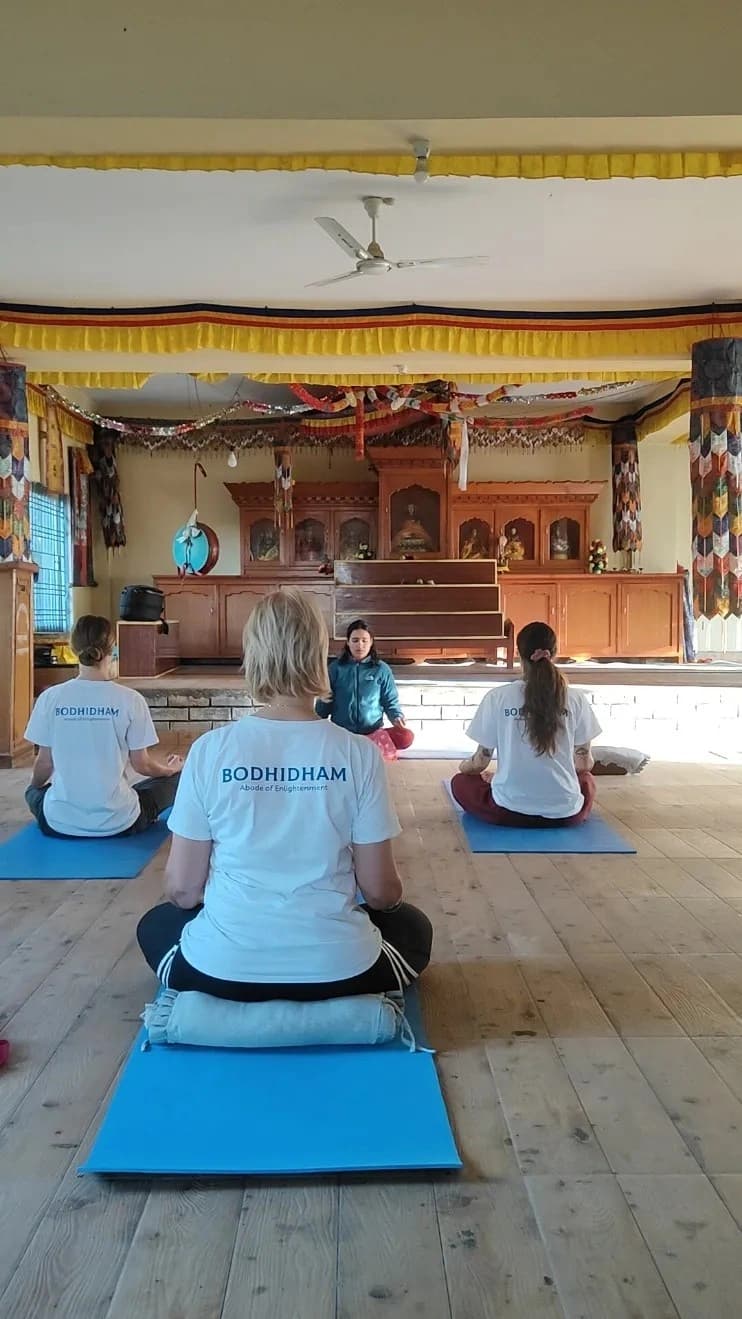
Ayurveda Healing Retreat
6N/7D €485
View retreat →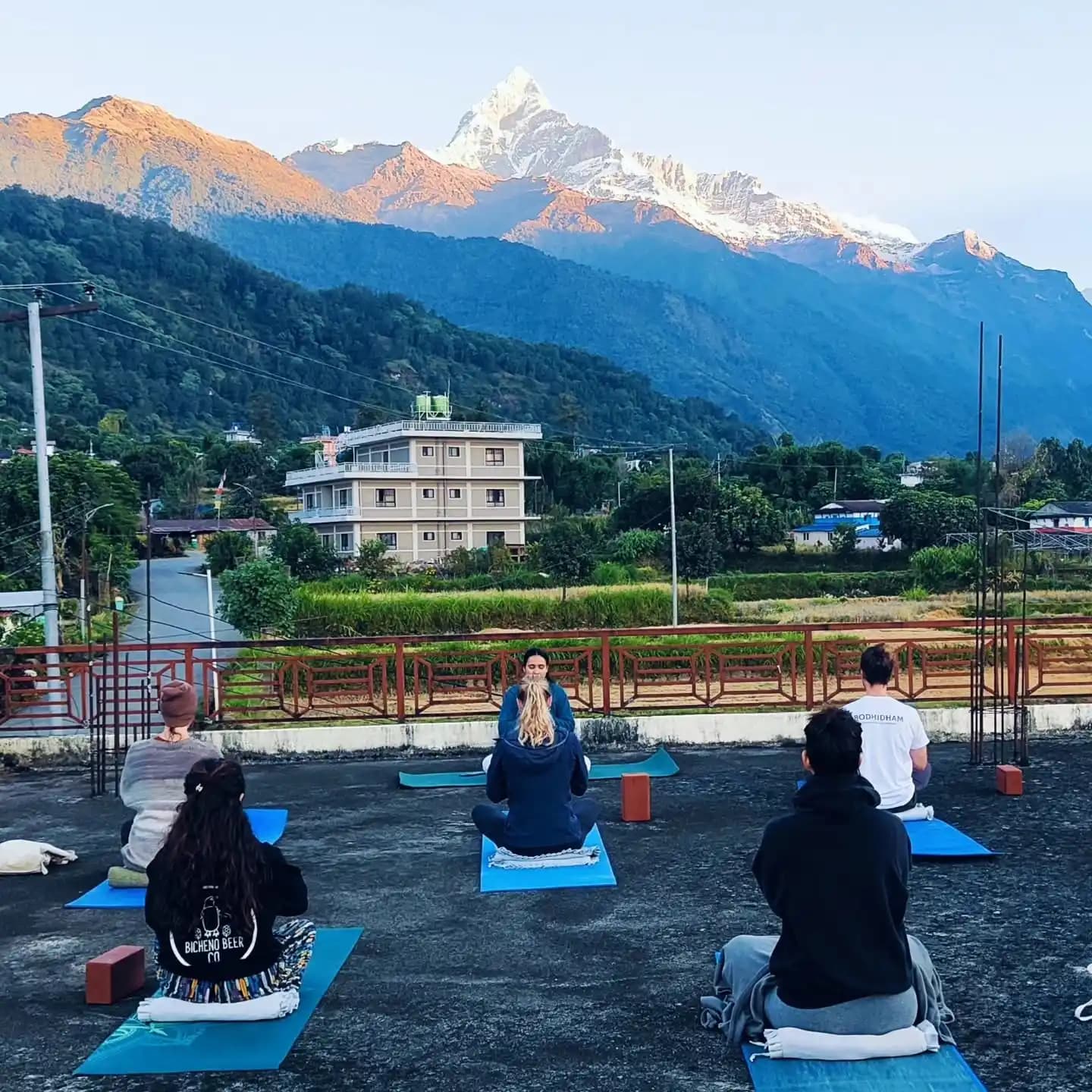
Long Term Retreat at Bodhidham
1 to 3 months€1550
View retreat →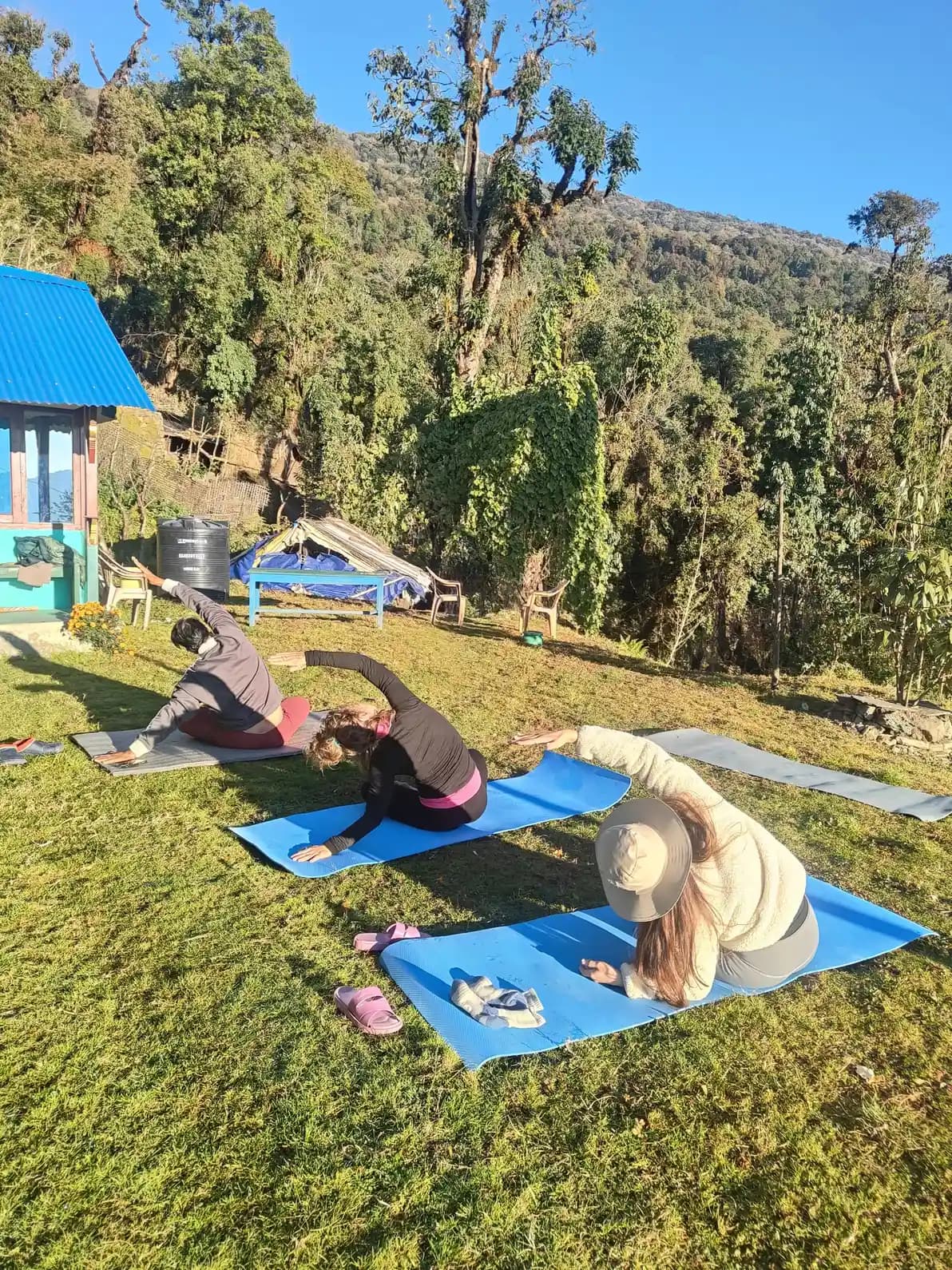
Home Stay Yoga Retreat
2N/3D€245
View retreat →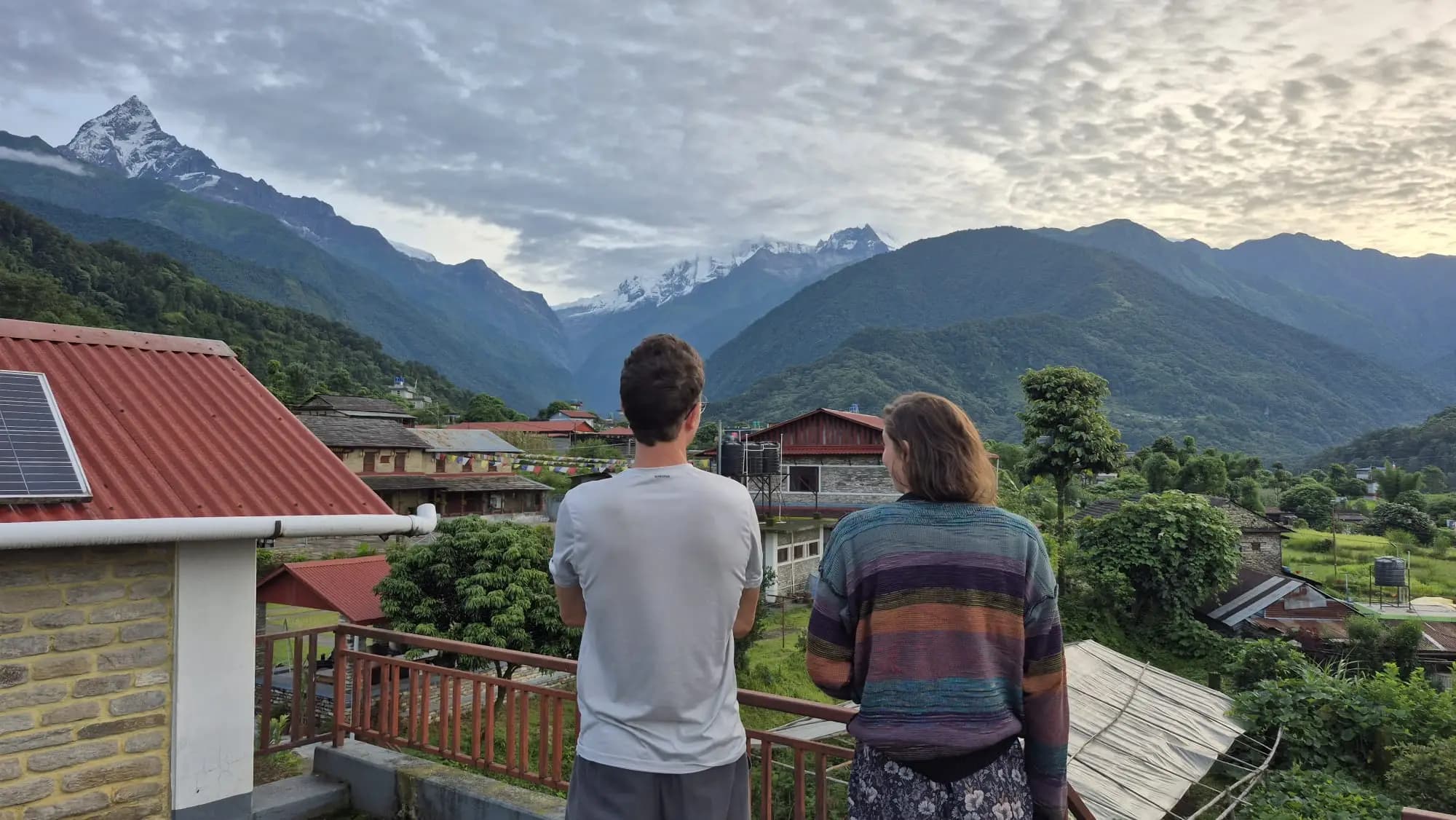
Mountain View Yoga & Meditation Retreat in Nepal
6N/7D€430
View retreat →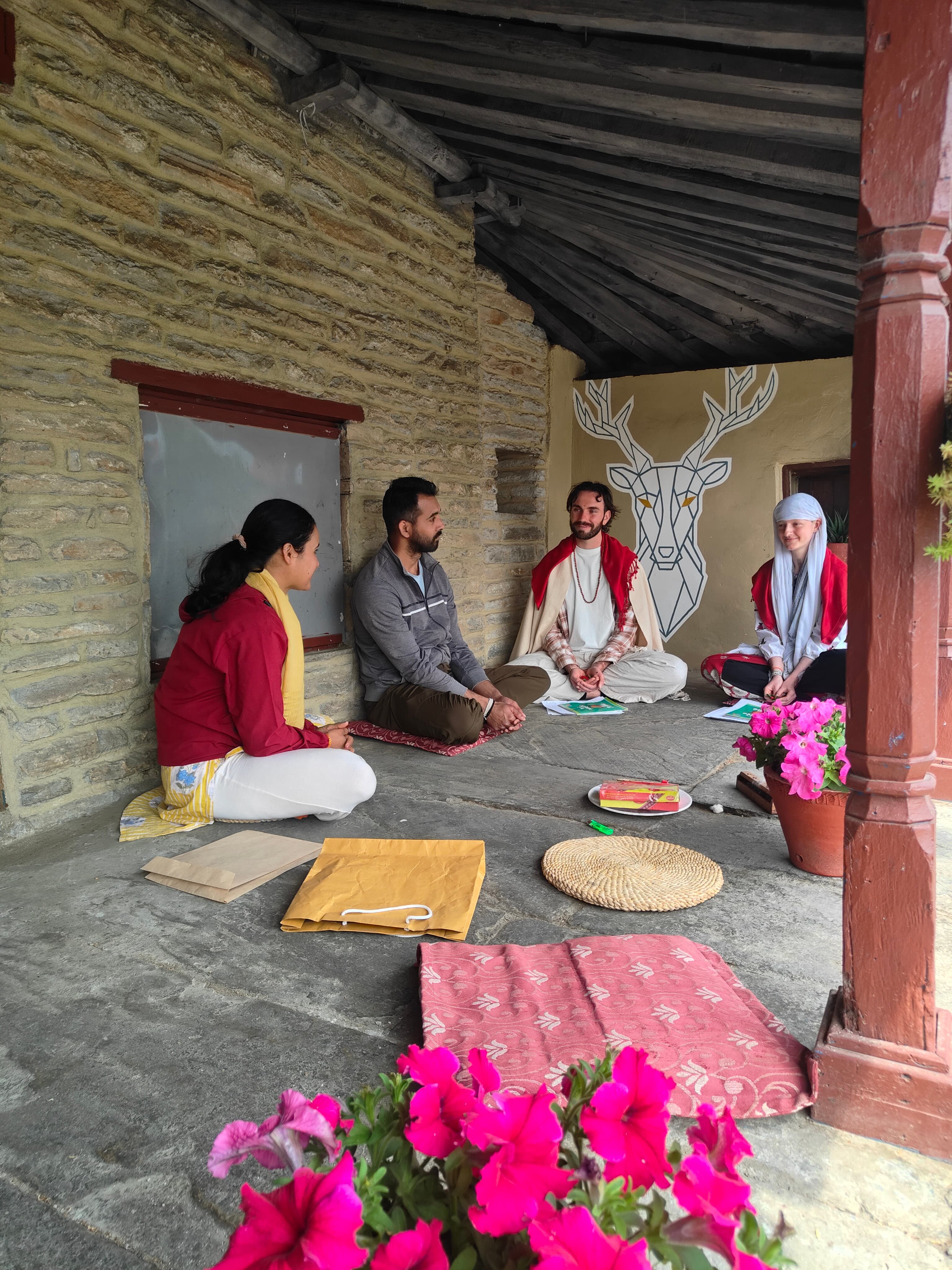
Detox Yoga Retreat in Nepal
6 nights / 7 days€430
View retreat →