

- Bank
- Nepal bank — details shared on enquiry
- Account name
- Bodhidham Yoga School and Spiritual Retreat
- Account number
- Provided on booking confirmation
- SWIFT
- Provided on booking confirmation
- Branch
- Pokhara, Nepal

7-Day Spiritual Retreat in Nepal - Muktinath Yoga Tour
Duration7 days
SessionsMeditation
FocusPranayama
7 Days Spiritual Journey
Quick Overview
Muktinath is one of the holiest temples in the Himalayas, high in Mustang and sacred to Hindus and Buddhists alike. Its name means the place of liberation, and for centuries pilgrims have come believing that a sincere visit can free the soul from the cycle of birth and rebirth. Around the temple run 108 holy water spouts, and beside it burns the eternal flame of Jwala Mai, a small natural fire that seems to burn upon water.
This tour is a slow, meditative pilgrimage to Muktinath from Pokhara, led by our ashram. It is not a rushed sightseeing trip. Each day opens with yoga, pranayama or meditation, and the sacred sites along the Kali Gandaki valley are visited as places of practice, not just photographs. You travel by private vehicle, sleep in comfortable rooms every night, and move at a pace that lets the journey settle in you.
Why Muktinath Yoga Tour?
Darshan at Muktinath, the temple of liberation, with its 108 sacred water spouts and the eternal flame of Jwala Mai, sacred to both Hindus and Buddhists.
A yoga, pranayama or meditation session every single day, so the journey is a practice and not just a drive.
The ancient meditation grounds of the sages at Galeshwor and Pulaha, named in the Bhagavata Purana, and the goddess temple at Baglung, with mantra and quiet reflection.
A whole night at a natural hot spring beside the Kali Gandaki, with an evening bath and meditation.
Narchang, a living Magar village, and its waterfall, where we stop for a short meditation.
The Kali Gandaki gorge, the deepest on earth, running between the giants of Dhaulagiri and Annapurna.
Marpha, the apple village, and Kagbeni, the old salt trade gateway to Mustang, with their living Thakali and Tibetan culture.
Daily plan
Your week, spelled out
Pick a length to see the day-by-day plan. The shape of every day at Bodhidham is the same as it has been for over a decade.
6 Nights 7 Days Spiritual Tour Itinerary
open any day for the full scheduleDay 1 Arrival in Pokhara and the ashram6 activities
Day 1 Arrival in Pokhara and the ashram schedule Met in Pokhara and transferred to the Bodhidham ashram in the villageLunch and a short rest3 pm: briefing and preparation for the journey aheadIntroductory meditation classDinner and overnight at the ashramMeals: Lunch, DinnerDay 2 Baglung, Galeshwor Dham, and hot spring10 activities
Day 2 Baglung, Galeshwor Dham, and hot spring schedule Morning yoga sessionAfter breakfast, drive about 2 hours to the Baglung Kalika goddess templeShort mantra chanting at the temple, and a talk on the science of feminine energy and the goddess traditionsVisit one of Nepal's longest suspension bridges, high above the Kali Gandaki, with a tea break on the wayDrive about 1 hour to Galeshwor Dham and Pulastya Dham.Bhagavata Purana, and the sages Pulaha, Pulastya and Vishrava are said to have meditated here in devotion to Lord ShivaShort meditation at the siteContinue to the natural hot spring. Evening bath in the hot spring pond, then meditation beside the Kali GandakiDinner and overnight at the hot springMeals: Breakfast, day fruits, DinnerDay 3 Narchang village, the gorge, and Marph10 activities
Day 3 Narchang village, the gorge, and Marph schedule Morning tea and yoga sessionAfter breakfast, visit Narchang, a Magar village where the old way of life is still livedVisit the Narchang waterfall and sit for a short meditation thereDrive about 3 to 4 hours to Marpha. On the way, stop at Rupse waterfall, one of the largest in the regionTravel through the Kali Gandaki gorge, the deepest on earth.Tea break at Lete village, ringed by dramatic mountain sceneryArrive in Marpha, the Thakali apple capital. Explore its old monasteries, apple orchards, whitewashed mud-roofed houses and stone paved lanes, and the Tibetan Buddhist culture that is still alive in themEvening discussion on Buddhist philosophy and the monks of the HimalayasDinner and overnight in MarphaMeals: Breakfast, day fruits, DinnerDay 4 Jomsom, Kagbeni, and Muktinath7 activities
Day 4 Jomsom, Kagbeni, and Muktinath schedule Early morning yoga sessionAfter breakfast, drive on through Jomsom, the district headquarters of Mustang, set in the windy heart of the valleyVisit Kagbeni, an ancient salt trade settlement and a cultural hub on the old Nepal to Tibet route, and the gateway to Upper MustangContinue up to the Muktinath temple. Check in and rest at the hotelEarly evening: visit the main temple and the monastery, take the ritual bath at the holy pond and under the 108 water spouts, see the eternal flame of Jwala Mai, and meditateDinner and overnight near MuktinathMeals: Breakfast, day fruits, DinnerDay 5 Lete and the Sekong Natural Pool6 activities
Day 5 Lete and the Sekong Natural Pool schedule Morning yoga and pranayama sessionAfter breakfast, drive about 3 hours back down to Lete and check in to the hotel12:30 pm: an easy hike of about 1.5 hours to the Sekong Natural Pool, through jungle and open landscape, with views of Mount DhaulagiriAbout 2 hours at the pool for meditation and reflection, then the hike back to the hotelEarly dinner and an evening spiritual discussionMeals: Breakfast, day fruits, DinnerDay 6 Return to Pokhara5 activities
Day 6 Return to Pokhara schedule Morning yoga and pranayama sessionAfter breakfast, the scenic drive back to Pokhara, about 6 hoursFarewell lunch, and the end of the guided programmeTransfer to your four-star hotel in Pokhara, with the evening freeMeals: Breakfast, Farewell lunchDay 7 Departure3 activities
Day 7 Departure schedule Breakfast at the hotelDeparture at your own timeMeals: Breakfast
Spiritual Tour Fixed Departure Date
open any day for the full scheduleDay 1-7
25th September (Start Date) - 1st October (End Date) 2026
Retreat Overview
The Muktinath Yoga and Pilgrimage Tour is a seven-day spiritual journey that begins at the Bodhidham ashram, climbs the deep Kali Gandaki Valley to the great temple of Muktinath in Mustang, and returns the same way with fresh eyes. It is a pilgrimage at heart, but a gentle and well-paced one, with a short yoga, breathing, or meditation session each day and enough time to take in each sacred place along the way rather than rushing past it.
Its heart is Muktinath itself, the temple of liberation, with its 108 sacred water spouts and its eternal flame. Along the way are the ancient meditation grounds of the sages at Galeshwor, a night beside a natural hot spring, the Magar village of Narchang and its waterfall, the deepest gorge on earth running between Dhaulagiri and Annapurna, the Thakali apple village of Marpha, the old salt trade village of Kagbeni, and a quiet hike to the Sekong Natural Pool beneath Mount Dhaulagiri. The evening discussions give meaning to what you have seen, so that the mountains, the temples and the river become part of the practice rather than a passing view. It suits pilgrims, yoga practitioners, and anyone who wants to travel through the Himalayas slowly, simply and with some depth.
What you will experience
- Meditation. A method on the first evening, then seven days of using it, in temple courtyards, on riverbanks, and beside a pool at altitude.
- Pranayama. Taught on the two highest mornings, where thin air makes the case better than any classroom could.
- The goddess traditions. Mantra at Baglung Kalika, and the thinking behind the feminine divine that so many temples on this road are built on.
- Buddhist philosophy. An evening in Marpha, surrounded by the monasteries the conversation is about.
- The sages of Galeshwor. Named in the Bhagavata Purana. Pulaha, Pulastya and Vishrava are said to have meditated on this bank, in devotion to Shiva.
- Saligram. Black fossils in the riverbed, sea creatures from when this range lay under an ocean. Hindus revere them as Vishnu. The same stone is scripture and geology at once.
- The gorge. 5,571 metres between Dhaulagiri and Annapurna I. You drive its full length, which settles what deepest on earth actually means.
- Three cultures, one valley. Magar at Narchang, Thakali at Marpha, Tibetan at Kagbeni. Each shaped by the altitude it settled at.
- The salt road. Kagbeni traded between Nepal and Tibet. See that, and every village on this road is standing where it stands for a reason.
- Muktinath. Two religions, one temple. Hindus come to Vishnu, lord of liberation. Buddhists come to Chumig Gyatsa, the hundred springs. Both walk the same 108 spouts, and both stand at the same flame that burns on water.
A word on altitude and pace
Muktinath sits high, at around 3,700 metres, so this is a real Himalayan journey and altitude deserves respect. The good news is that the tour is paced gently, with the height gained gradually over several days rather than all at once, which is exactly what helps your body adjust. You sleep low on the first two nights, climb through the middle of the trip, spend only one night at the top, and come back down the next morning.
Drink plenty of water, eat well, walk the climbs slowly, and tell your guide honestly if you feel unwell. A headache, poor sleep or a loss of appetite are the usual first signs, and they are far easier to deal with early. The daily pranayama also helps, because steady, slow breathing is the single most useful habit you can carry uphill. Anyone in reasonable health can make this journey, but if you have a heart or breathing condition, please check with your doctor first.
Before you travel
What to pack
- Clothing: loose and comfortable clothes for the yoga sessions, warm layers for the evenings at altitude, light breathable clothing for the daytime, and a waterproof jacket or a light raincoat.
- Footwear: comfortable hiking shoes for the two walks, and sandals for the hot spring.
- Spiritual items: prayer beads, a mala, or small altar items if you keep them. Entirely optional.
- Other: water bottle, sunscreen, hat, sunglasses, personal toiletries, a headlamp or torch, a power bank, and photocopies of your passport and ID.
- Cash: small denominations for local purchases, tea stops and donations. There are few reliable ATMs once you leave Pokhara, so draw what you need before you go.
Good to know
- Distances and travel times on this itinerary are approximate, and they depend on road and weather conditions in the valley.
- The highest point of the journey is about 3,700 metres, at Muktinath. Pace yourself and tell your guide about any health concern before it becomes a problem.
- Bring any personal medication you take, and a small first aid kit.
- Travel insurance is strongly recommended for a journey at this altitude, on these roads.
Led by the teachers of Bodhidham Yoga Retreat and Ashram in Pokhara, Nepal, under the guidance of Swami Ananda, founder and spiritual head, who leads pilgrimage and practice in the Himalayan tradition.
Ready to step out of the noise?
Reserve your seat at Bodhidham.
Inside the retreat
A glimpse of our days
 4.9★ from 150+ studentsVerified
Reviews from our students
Pricing & what’s included
Everything in. Nothing hidden.
Every plan includes sessions, sattvic meals, accommodation and free Pokhara pickup. Pick the room that fits you.
Shared / Couple
Sharing room
€1299per person
- Best for couples & solo travellers
- Twin beds, shared bath
All-inclusive of stay, three sattvic meals, every session and free pickup from Pokhara airport or bus park. 25% deposit confirms your seat.
Cost includes & excludes10 included·6 excluded
Show allHide
Cost includes & excludes
10 included·6 excluded
Included in your fee
- Breakfast and dinner every day, plus lunch on day one and a farewell lunch on day six.
- All the evening spiritual discussions.
- Fruits and nuts through the day, and two cups of tea daily.
- All guided visits on the itinerary.
- Six nights of accommodation.
- Night one is the ashram experience at Bodhidham
- Private car or jeep for the whole journey, with a driver.
- Two to five are the best available quality hotels along the route, and night six is a four-star luxury hotel in Pokhara.
- All daily yoga, pranayama and meditation sessions.
- Pickup and drop-off in Pokhara.
Not included
- Lunches other than on day one and day six, easily found at local stops along the way.
- Travel insurance, which we strongly recommend.
- Permits, where they apply. We will assist you with that; bring your proper documents.
- Optional activities not listed on the itinerary.
- Personal expenses, tips, laundry, and anything personal.
- International flights and your Nepal visa.
The teaching team
Taught by 3 Yogis
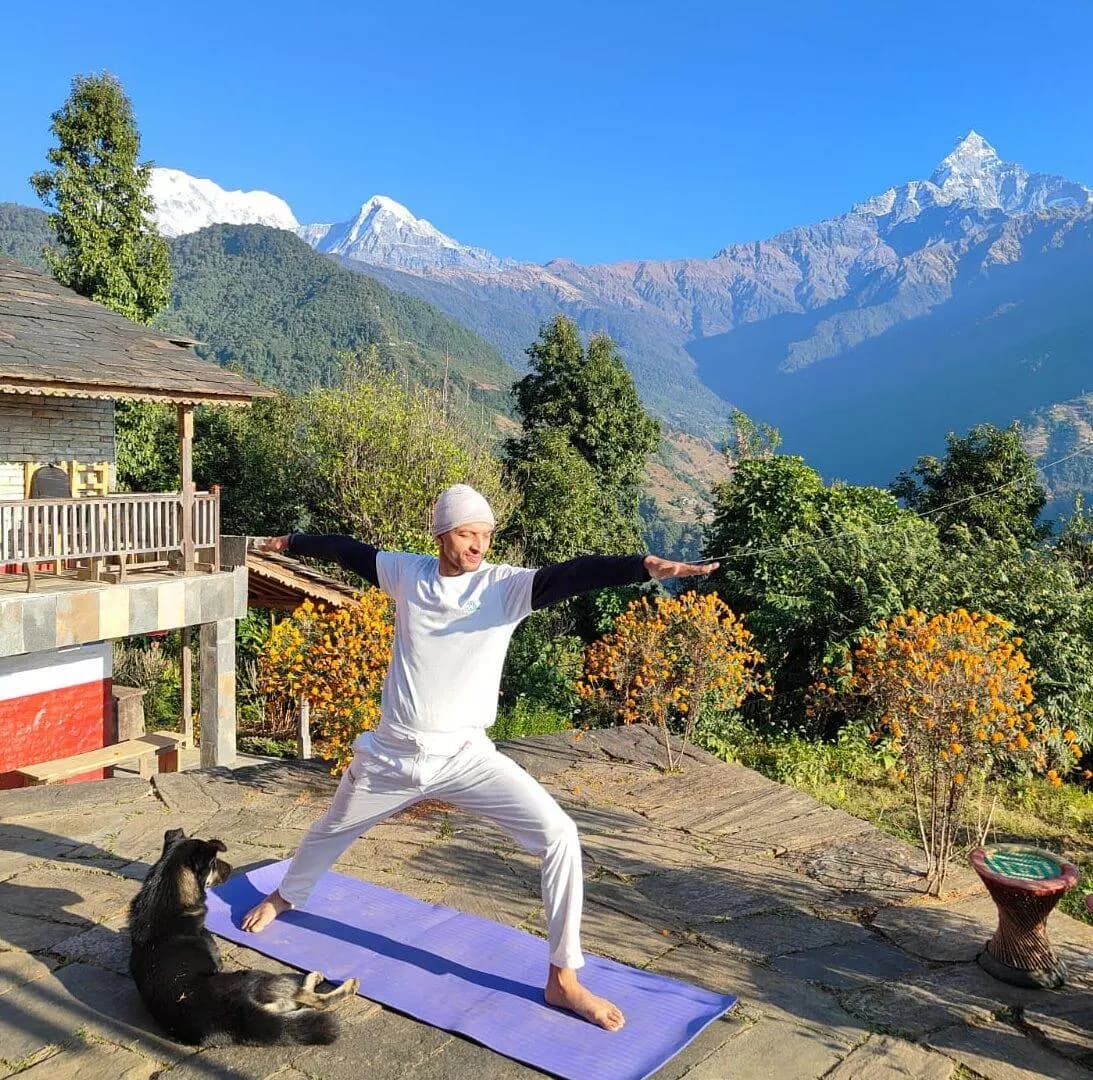 SwamiFounder & Spiritual Head
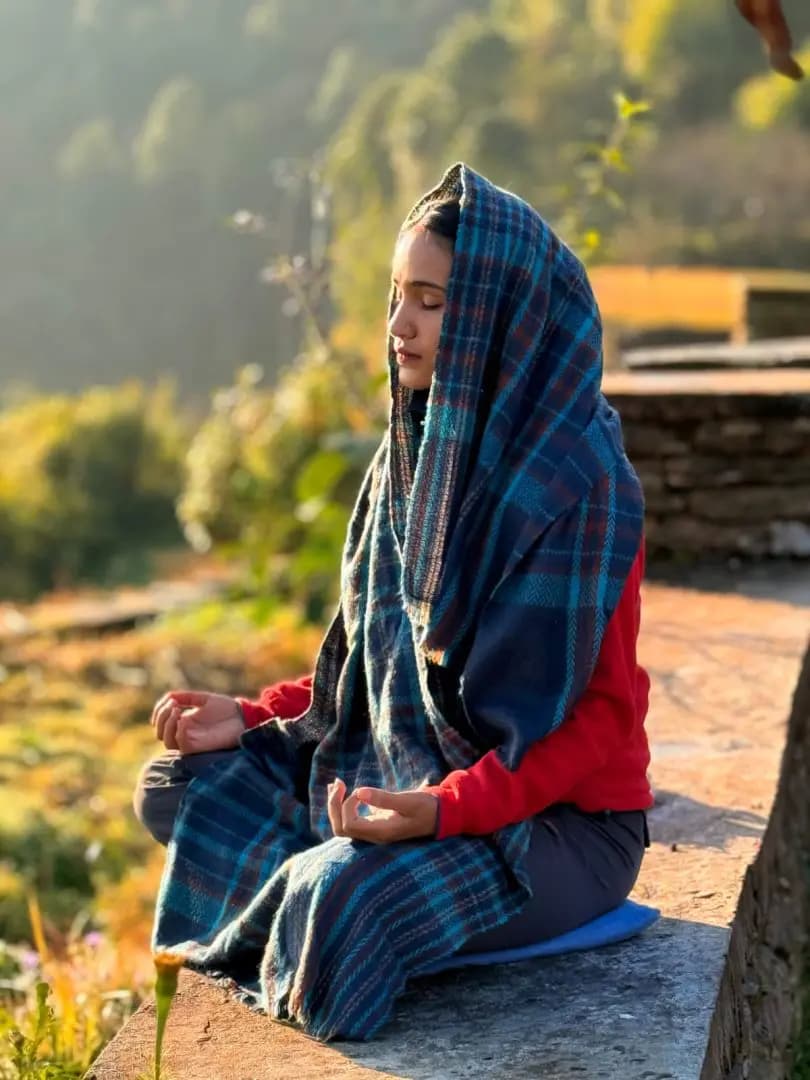 DeepikaYoga & Anatomy Teacher
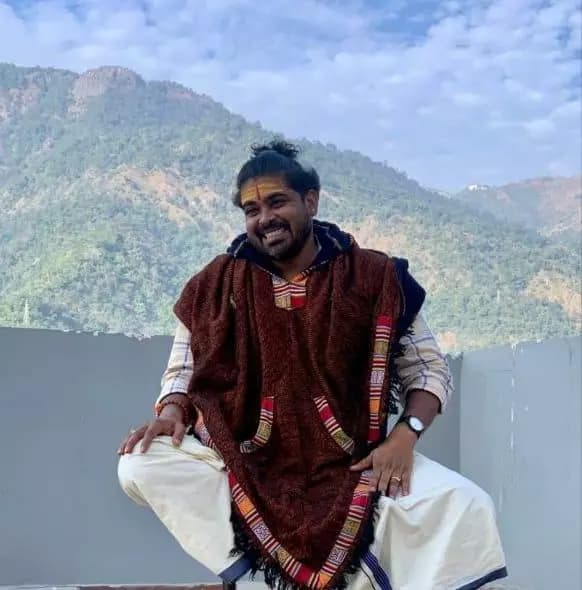 RatheeshGuest Yoga Teacher
Why Bodhidham
Why choose Bodhidham?
- i.Traditional lineage-based teaching from experienced yogis
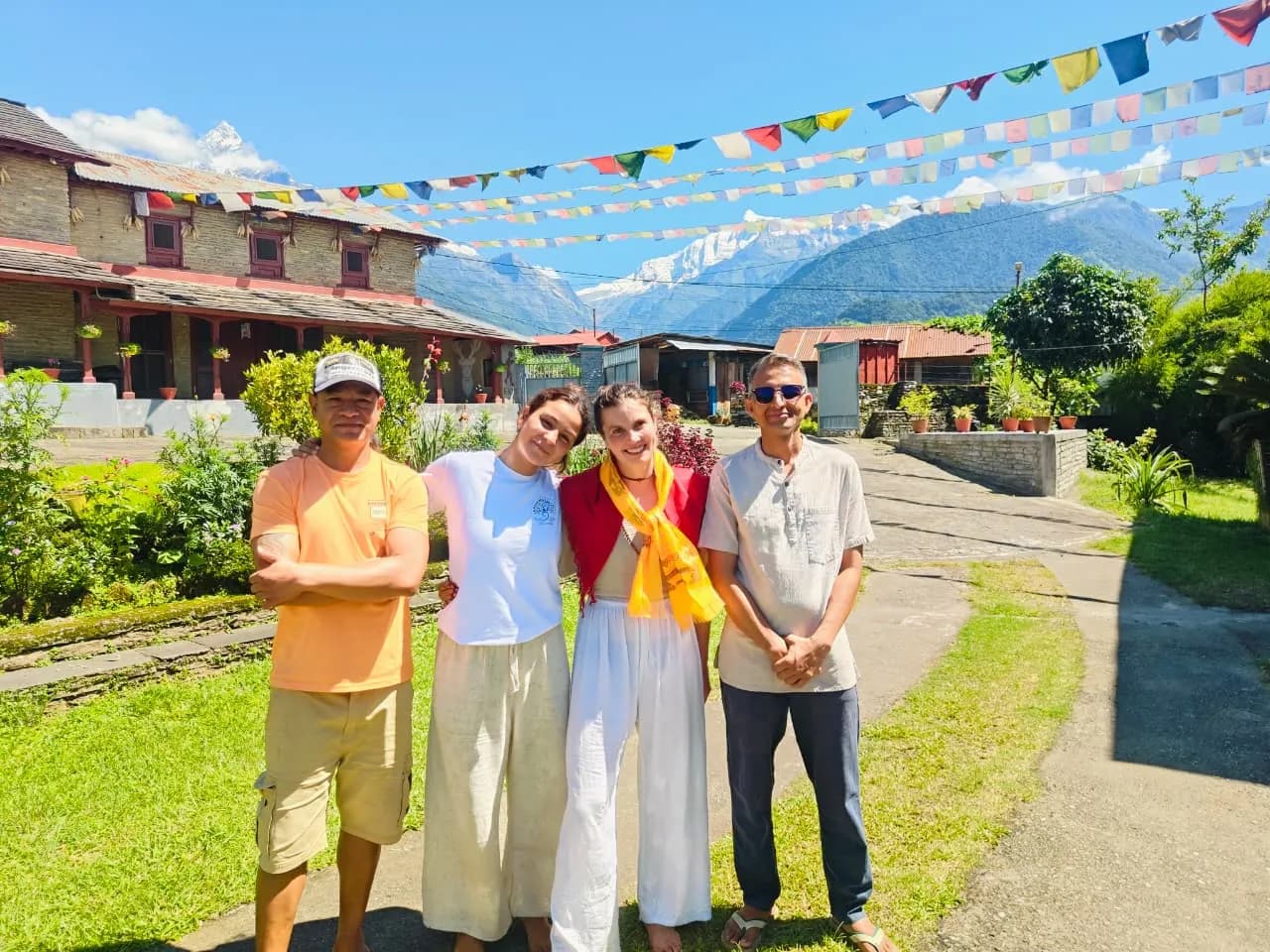
- ii.Family Environment
- iii.Organic food grown on a local farm.
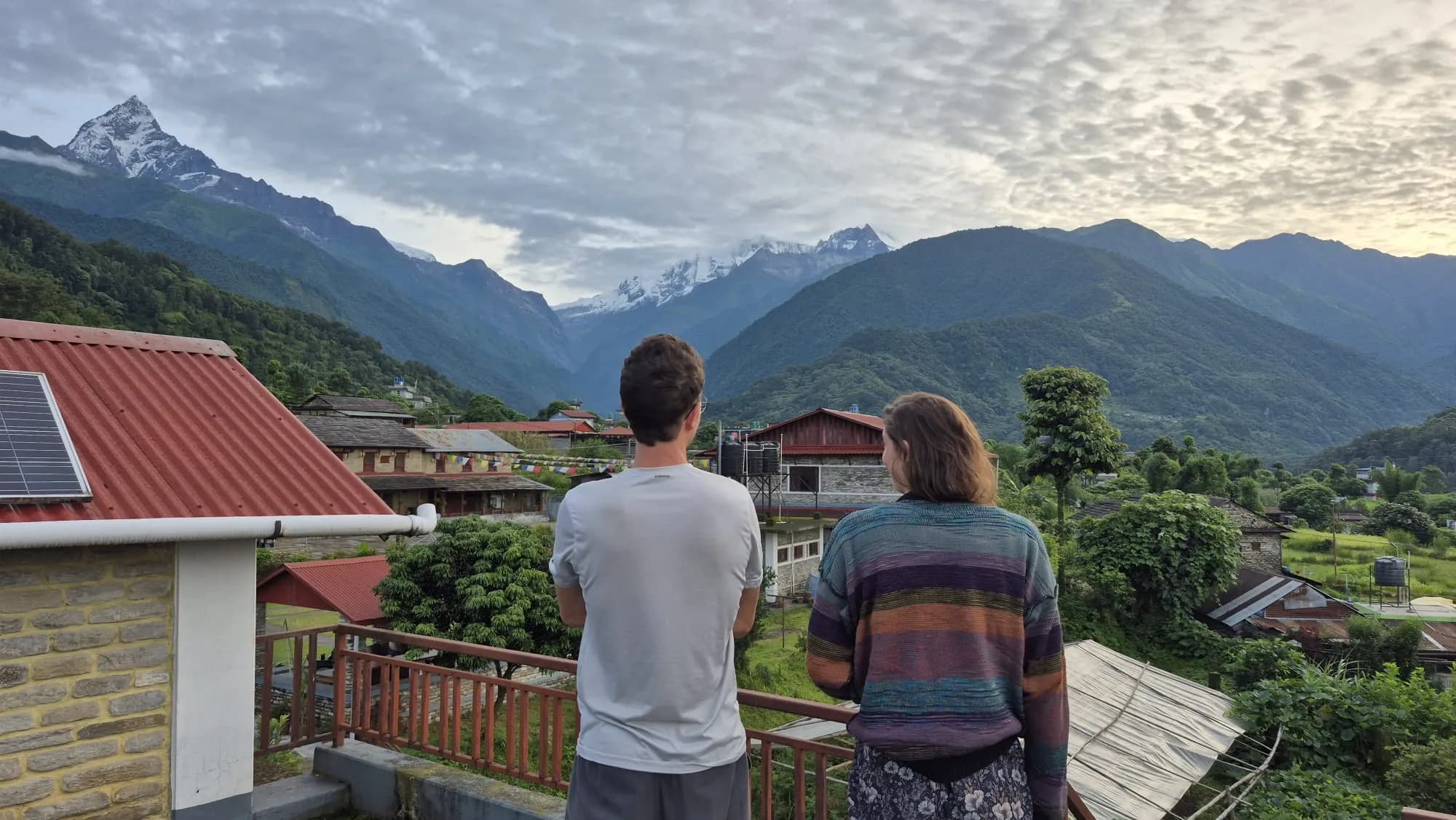
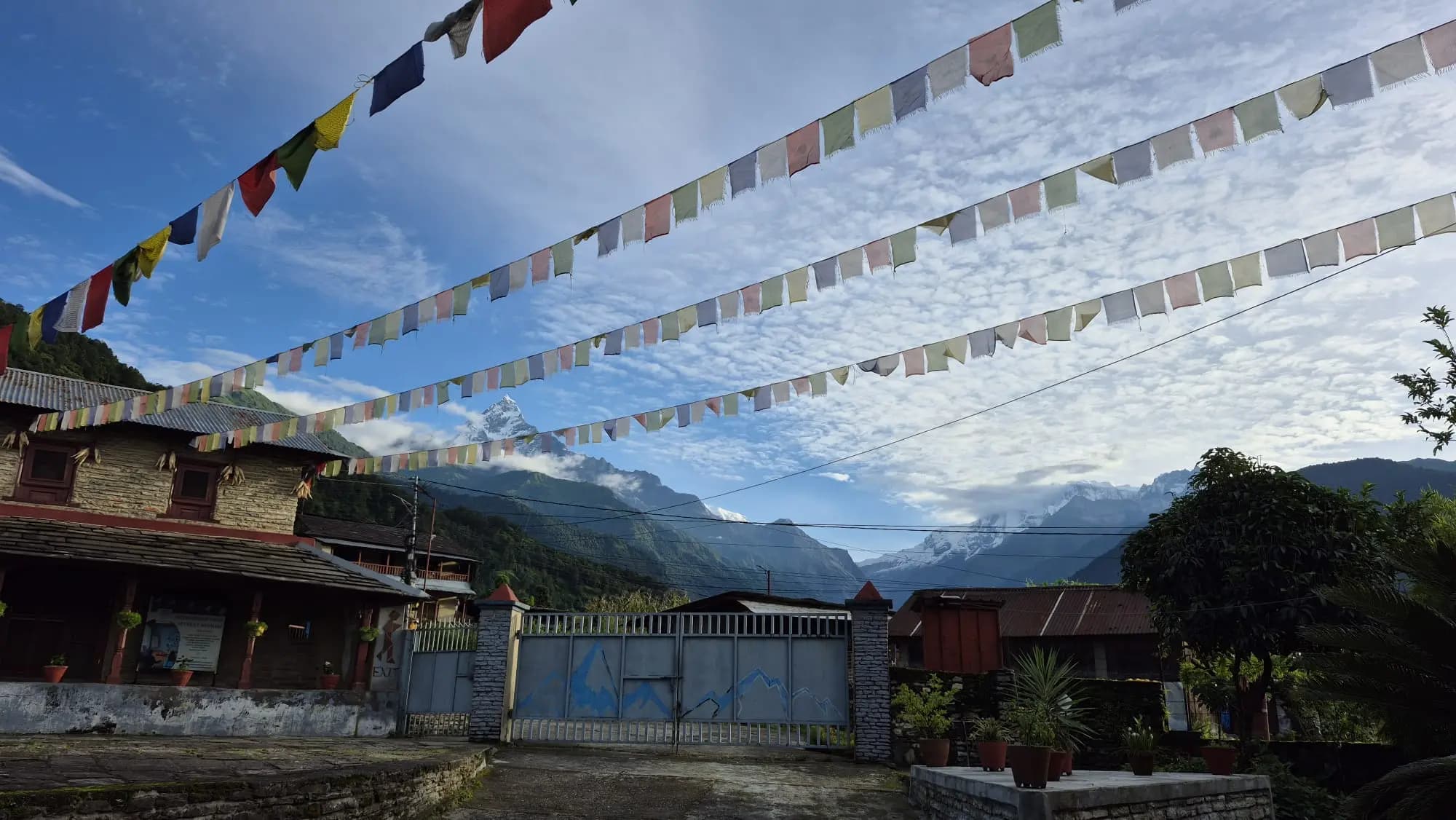
- iv.Away from the city. At the height of 1320 m, Ghachowk Village.
- v.Pollution-Free Location, Best AQI.
- vi.In a lap of the holy mountain, Machhapuchhre.
Bank details & booking
How to reserve your seat.
To confirm your booking, a 25% advance of the total program fee is required. The remaining 75% is due on arrival, before the program begins.
Bank transfer
Exact bank details are shared by WhatsApp/email once your dates are confirmed.
Before you book
Frequently asked
How high is Muktinath, and will the altitude affect me?
+
Muktinath sits at around 3,700 metres, high enough that some people notice the thinner air. The tour gains that height gradually over several days, which helps your body adjust, and you spend only one night at the top before descending. The daily breathing practice supports you further. Drink plenty of water, go slowly, and tell your guide how you feel. Most people in reasonable health manage it comfortably, but if you have a heart or lung condition, check with your doctor before joining.
Do I need to be religious to come?
+
No. Muktinath and the sites along the way are deeply sacred to Hindus and Buddhists, and many people come for darshan and for liberation. But the journey is equally open to anyone drawn to the Himalayas, to yoga and meditation, or simply to travelling slowly and with meaning. You are welcome to take part as fully or as quietly as feels right for you. Nothing is asked of you that you do not want to do.
Do I need to be fit, or to know yoga?
+
You do not need to be an athlete or an experienced yogi. Most of the journey is by vehicle, and the yoga is gentle and adapts to your level. There are two easy walks: the village and waterfall at Narchang on day three, and the hike to the Sekong Natural Pool on day five, which takes about an hour and a half each way. If you can walk comfortably for that long and sit through a long drive, you can do this tour.
How do you get to Muktinath, and is the road hard?
+
You travel by road from Pokhara, around 175 to 195 kilometres in all. Done in a single day, that is a punishing eight- or nine-hour jeep drive, but this tour spreads it across several days with plenty of stops, so it stays comfortable. The road is smooth and paved from Pokhara to Beni, then becomes rough through the Kali Gandaki valley, where a sturdy Four Wheel Drive jeep is needed, and is paved again on the final stretch near Muktinath. The rough section is simply part of the adventure, and the slow pace and the scenery make the long drive an experience in itself.
What is the temple like at Muktinath?
+
Muktinath is one of the holiest temples in the Himalayas, sacred to both Hindus, who worship Vishnu here as the lord of liberation, and Buddhists, who know the place as Chumig Gyatsa, the hundred springs. Pilgrims bathe under its 108 sacred water spouts and in the holy pond, and visit the eternal flame of Jwala Mai, a small natural flame that appears to burn on water. It is believed to grant liberation from the cycle of birth and rebirth.
Is the holy bath compulsory?
+
No. Bathing under the 108 spouts and in the holy pond at Muktinath is the traditional pilgrim practice, and the water is genuinely, shockingly cold. You are welcome to take part if you wish, or simply to visit, meditate and receive darshan. Nothing is forced, and nobody is judged for standing and watching.
What is the Kali Gandaki, and what are Shaligram stones?
+
The Kali Gandaki is a sacred river that carved one of the deepest gorges on earth, and it is older than the Himalayas it cuts through. In its bed are found Shaligram stones, black fossilised ammonites, the shells of sea creatures that lived more than a hundred million years ago, in an age when these mountains lay beneath an ancient ocean. Those fossils are the physical evidence for the river's great age. Hindus revere the Shaligram as a sacred form of Lord Vishnu.
What is Galeshwor Dham, and why do we stop there?
+
Galeshwor Dham, also known as Pulastya Dham, is an ancient meditation ground on the bank of the Kali Gandaki, devoted to Lord Shiva. It is named in the Bhagavata Purana, and the sages Pulaha, Pulastya and Vishrava are said to have practised here. For a pilgrim, it is one of the most atmospheric stops on the route, a place where people have been sitting in meditation for a very long time, and we sit there ourselves for a short practice rather than passing through with a camera.
Tell me about the hot spring night.
+
On day two, you do not simply pass a hot spring; you sleep beside it. After the drive down from Galeshwor, you have the evening to bathe in the natural hot pond, then meditate on the bank of the Kali Gandaki as the light goes. It is the most relaxing night of the trip, and it comes at exactly the right point, before the climb into the high valley begins.
What is the Sekong Natural Pool?
+
It is a quiet natural pool reached by an easy hike of about an hour and a half from Lete, through jungle and open hillside, with Mount Dhaulagiri standing above it. We arrive around the middle of the day and spend roughly two hours there, which is enough time to actually settle rather than just arrive and turn around. For many guests, this is the stillest part of the whole journey, quieter even than the temple.
What are Narchang and Marpha like?
+
Narchang is a Magar village, one of Nepal's indigenous communities, with a waterfall just outside it where we stop for a short meditation. Marpha is the Thakali apple capital of the region, a village of whitewashed houses with flat mud roofs, narrow stone paved lanes, apple orchards and old Tibetan Buddhist monasteries. Both are living villages rather than museums, and both give you a sense of how differently people have learned to live at each level of this valley.
What is the food and accommodation like?
+
You spend the first night at the ashram, which is a simple mountain village experience rather than a hotel, then four nights in the best available quality hotels along the route, and the final night in a four-star luxury hotel in Pokhara. Breakfast and dinner are included every day, along with fruits and nuts during the day and two cups of tea daily. Lunch is included on day one and as a farewell meal on day six. The food on the road is simple and local, largely vegetarian, and dietary needs can usually be arranged if you tell us in advance.
Do I need any permits for the tour?
+
The lower Mustang region, which includes Jomsom, Kagbeni and Muktinath, sits inside the Annapurna Conservation Area, so an ACAP entry permit applies. The expensive restricted area permit is not needed, since that applies only to Upper Mustang beyond Kagbeni. Permit fees are not included in the tour price, but we handle the paperwork for you. Bring your passport and a couple of passport photographs, and let us know in advance so we can arrange it before you travel.
Is this suitable for older travellers or for families?
+
It suits older travellers well, because almost all of the distance is covered by private vehicle rather than on foot, the pace is deliberately slow, and there is a comfortable room every night. The two walks are optional and gentle. Families with older children manage it comfortably. If you are travelling with young children or with anyone who has a heart or lung condition, speak to us first so we can talk through the altitude honestly with you.
I am travelling alone. Will this suit me?
+
Yes. Groups are small, meals are eaten together, and the daily practice and evening discussions do most of the work of introducing people to each other. The sharing rate pairs you with another guest of the same gender. If you would rather have your own room at the end of each day, the private room rate covers that for the whole journey.
Our kitchen
Three sattvic meals, mostly from the farm.
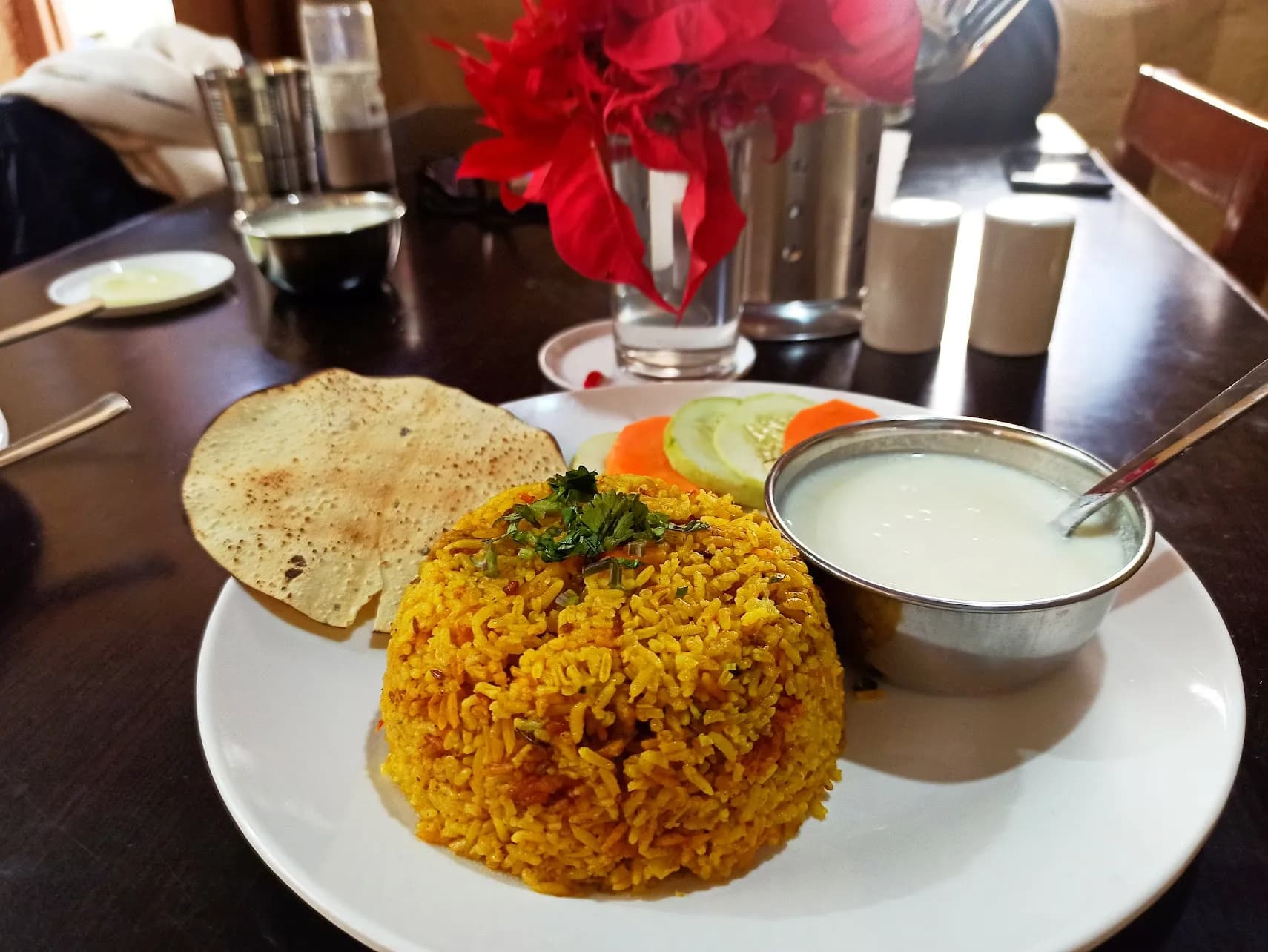
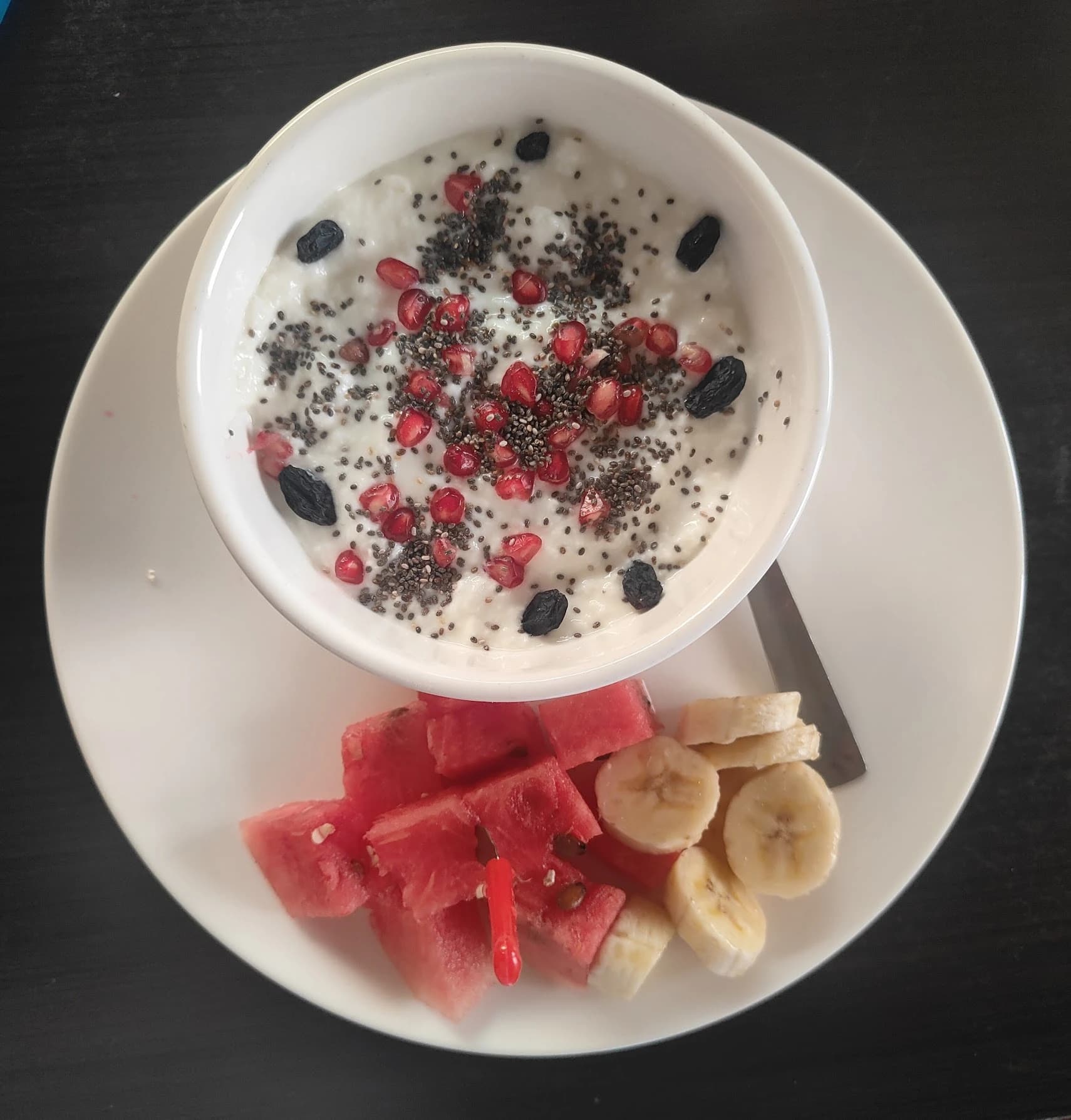
All meals at Bodhidham are organic, freshly prepared and vegetarian, following Sattvic (yogic) dietary principles. Breakfast includes oats, fruits and herbal teas. Lunch is the main meal, dal bhat with seasonal vegetables.
Dinner is lighter with soups, bread or rice with vegetables. Special dietary requirements (vegan, gluten-free, allergies), accommodated with advance notice.
- Herbal Tea: Provided With Each Meal.
- Source: Mostly own organic farm
- Meals: Three a day, included
- Special diets: Vegan & gluten-free on request
Around Bodhidham
Ashram premises and Accommodation
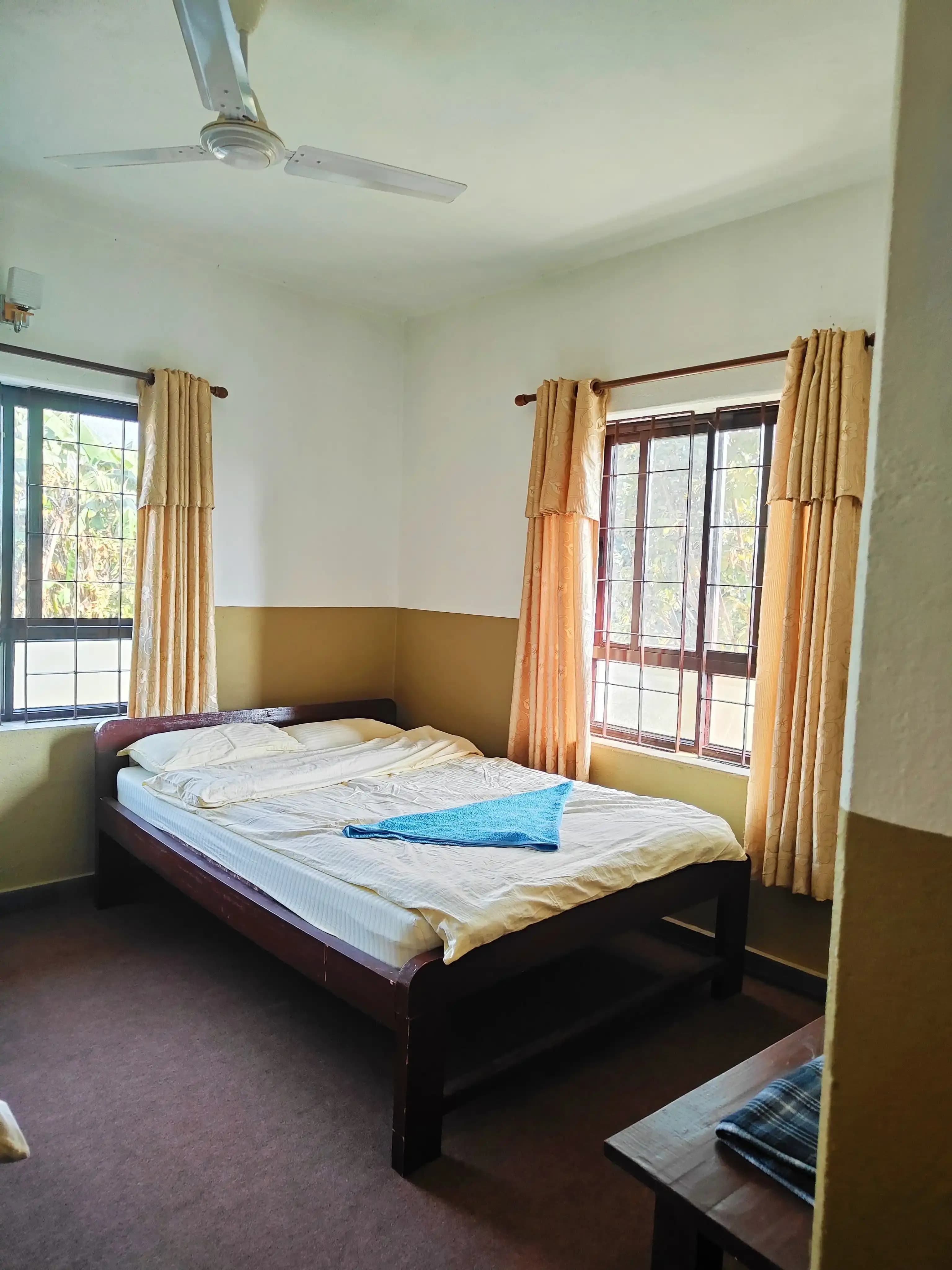
We offer you both private and twin sharing rooms by allowing you to choose what best suits for your comfort and budget.
Guided by the principle that cleanliness is next to godliness, our rooms are kept clean, simple, and comfortable with all basic amenities provided.
- Hot Water: 24/7 hot water is available in the bathrooms.
- Beds: Bedsheets and towels are changed regularly.
- Toiletreies: Basic toiletries are provided by the Ashram.
- Room: Rooms are cleaned routinely to maintain a peaceful and hygienic living space.
Know before you arriveVisa Best season What to bring Health Read the ashram guidelines
The practical side of it.
A few honest notes before you book. Most students fly into Kathmandu and either fly or bus to Pokhara, and we collect you from the airport or the bus park, free.
Visa on arrival at Kathmandu (Tribhuvan) for 80+ nationalities. USD 30 (15 days) / 50 (30 days) / 125 (90 days). Bring 2 passport photos and USD cash.
September to November and February to May are the clearest. Monsoon (June to August) is quieter and often better priced. We run year-round.
Modest yoga clothes, warm layer (mornings are cool), refillable water bottle, journal. Mat, blanket and bolster are provided.
No mandatory vaccines. If on prescription medication, bring a supply. Pokhara has good clinics; we are 20 minutes from the city hospital.
Similar retreats
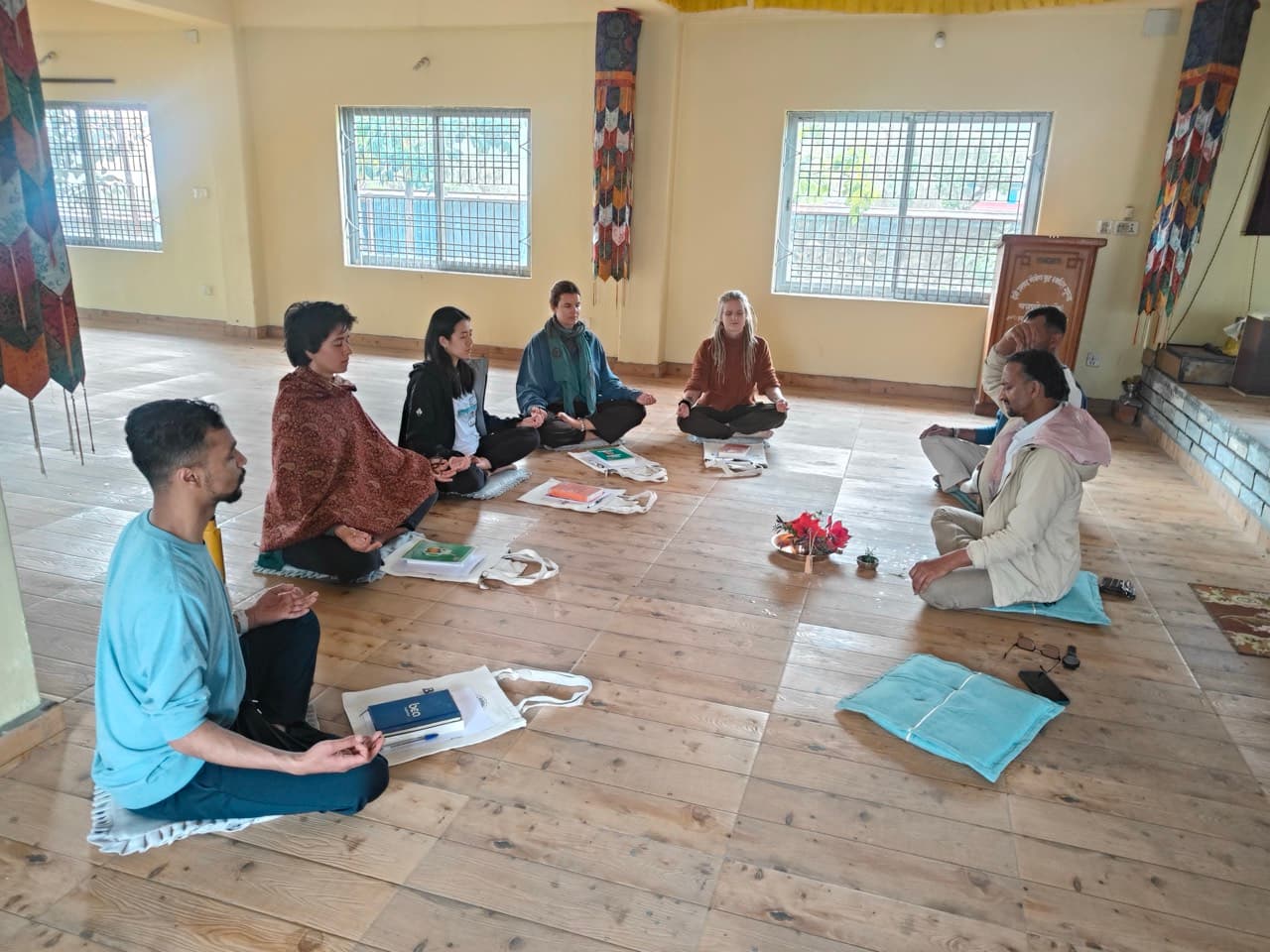
Transformative Traditional Yoga Course
3 Months€4999
View retreat →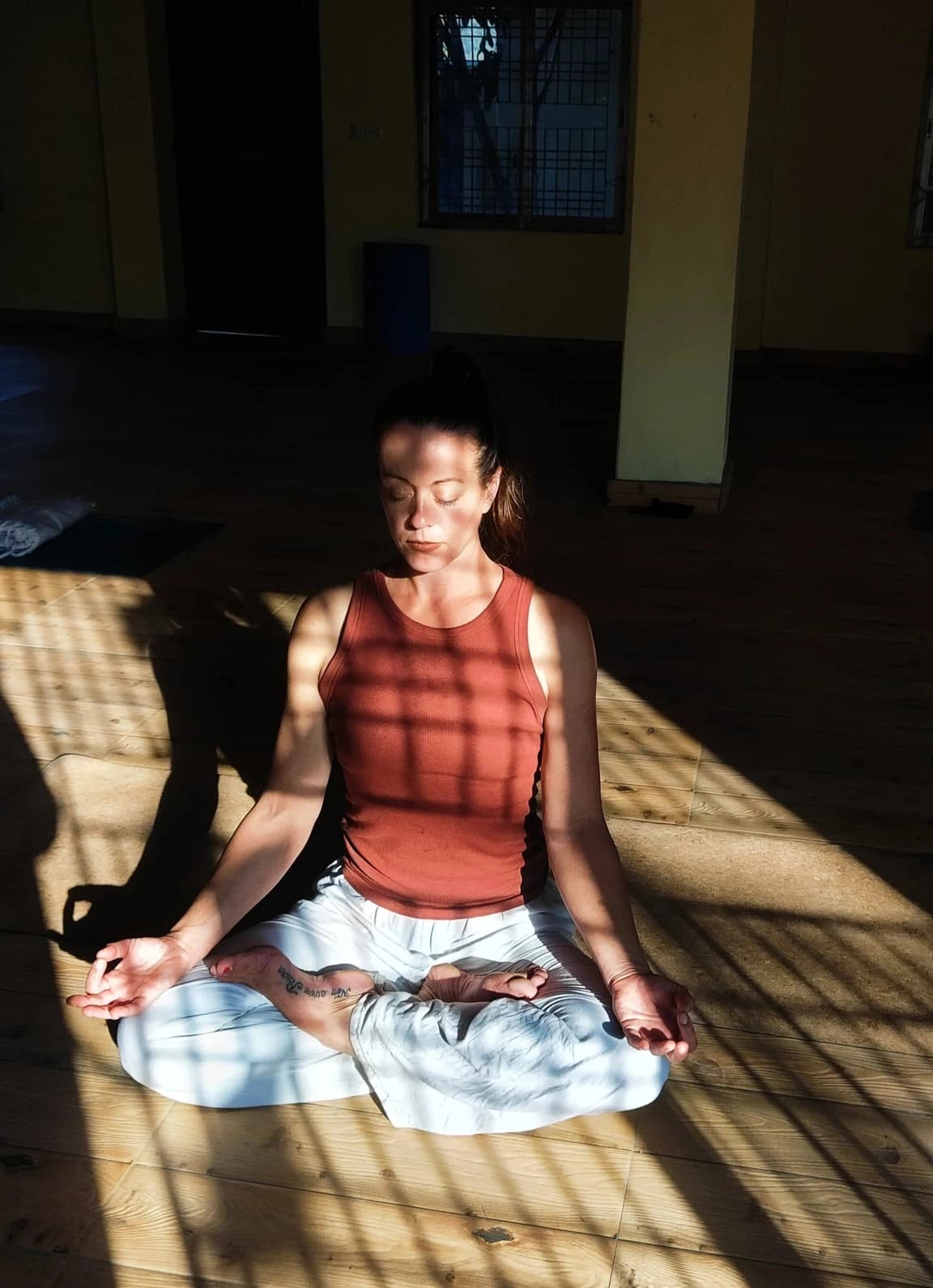
Chakra Workshop & Healing Retreat
8 days€505
View retreat →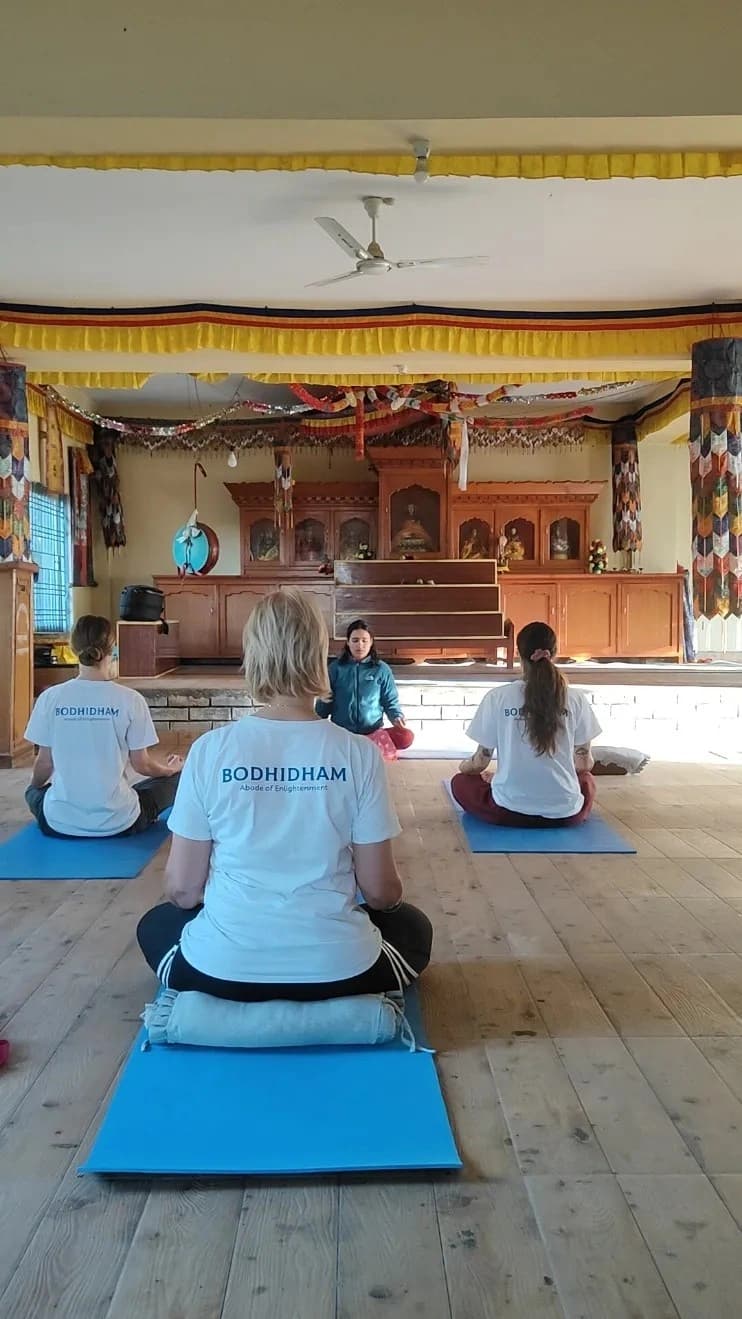
Ayurveda Healing Retreat
6N/7D €485
View retreat →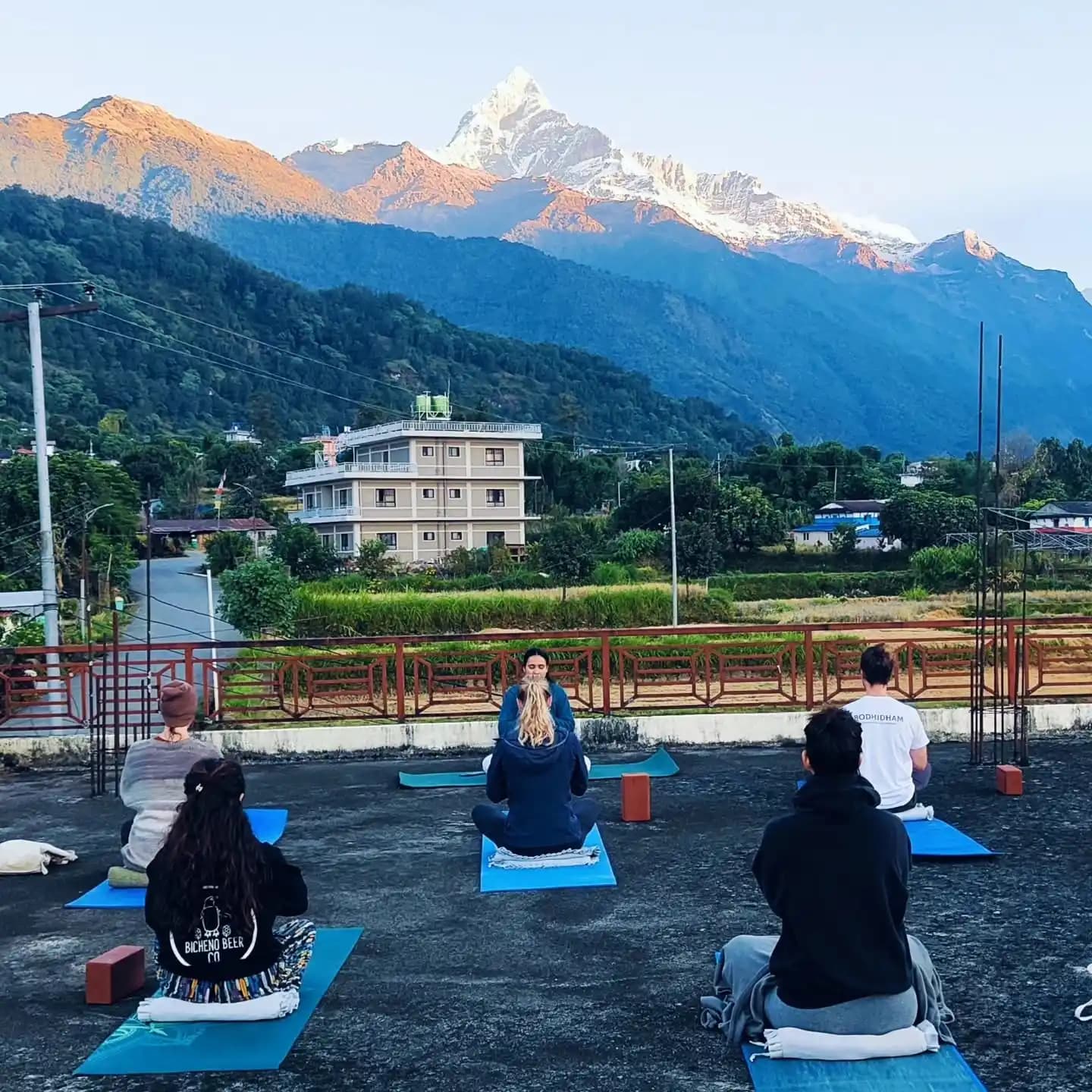
Long Term Retreat at Bodhidham
1 to 3 months€1550
View retreat →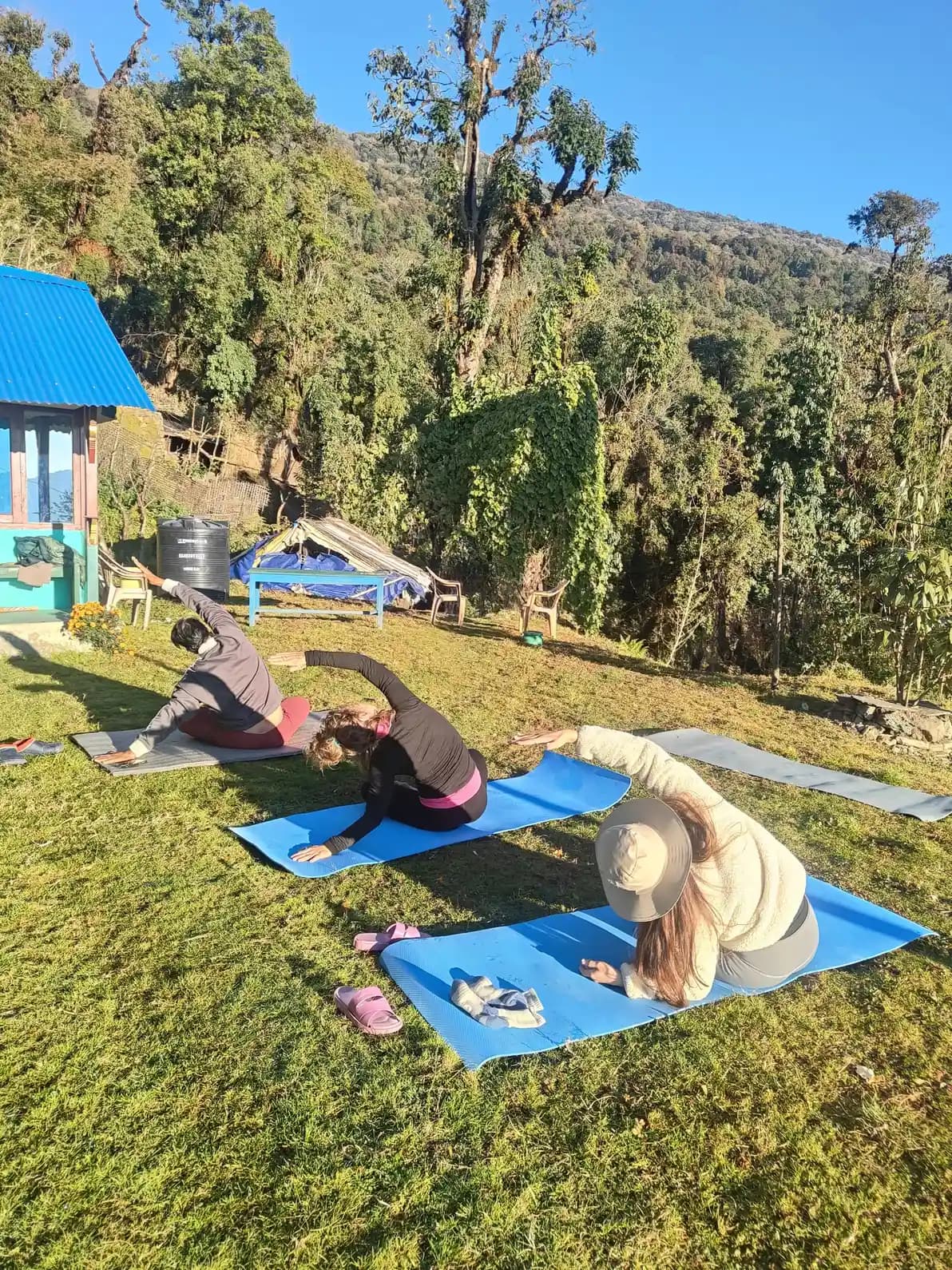
Home Stay Yoga Retreat
2N/3D€245
View retreat →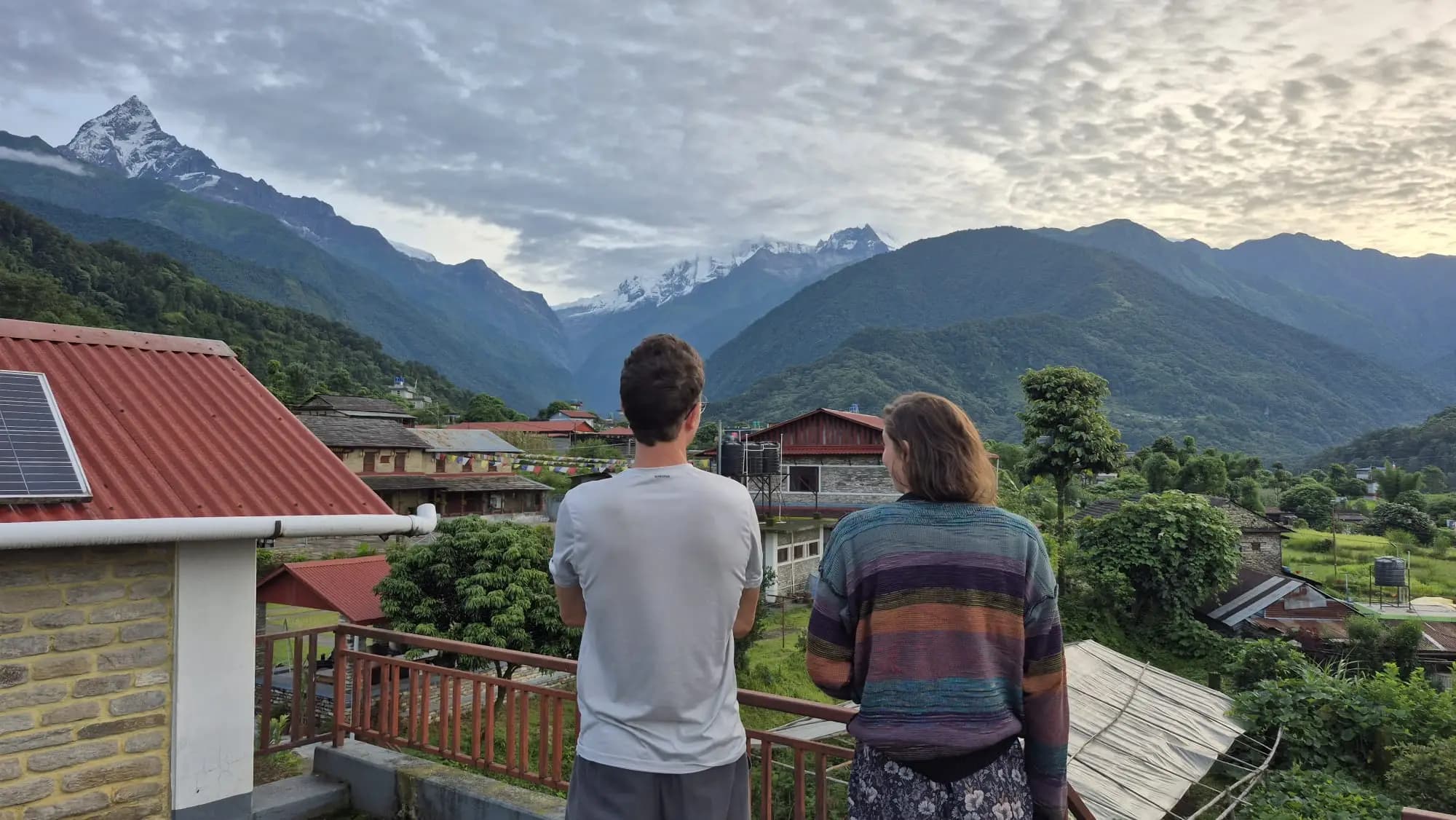
Mountain View Yoga & Meditation Retreat in Nepal
6N/7D€430
View retreat →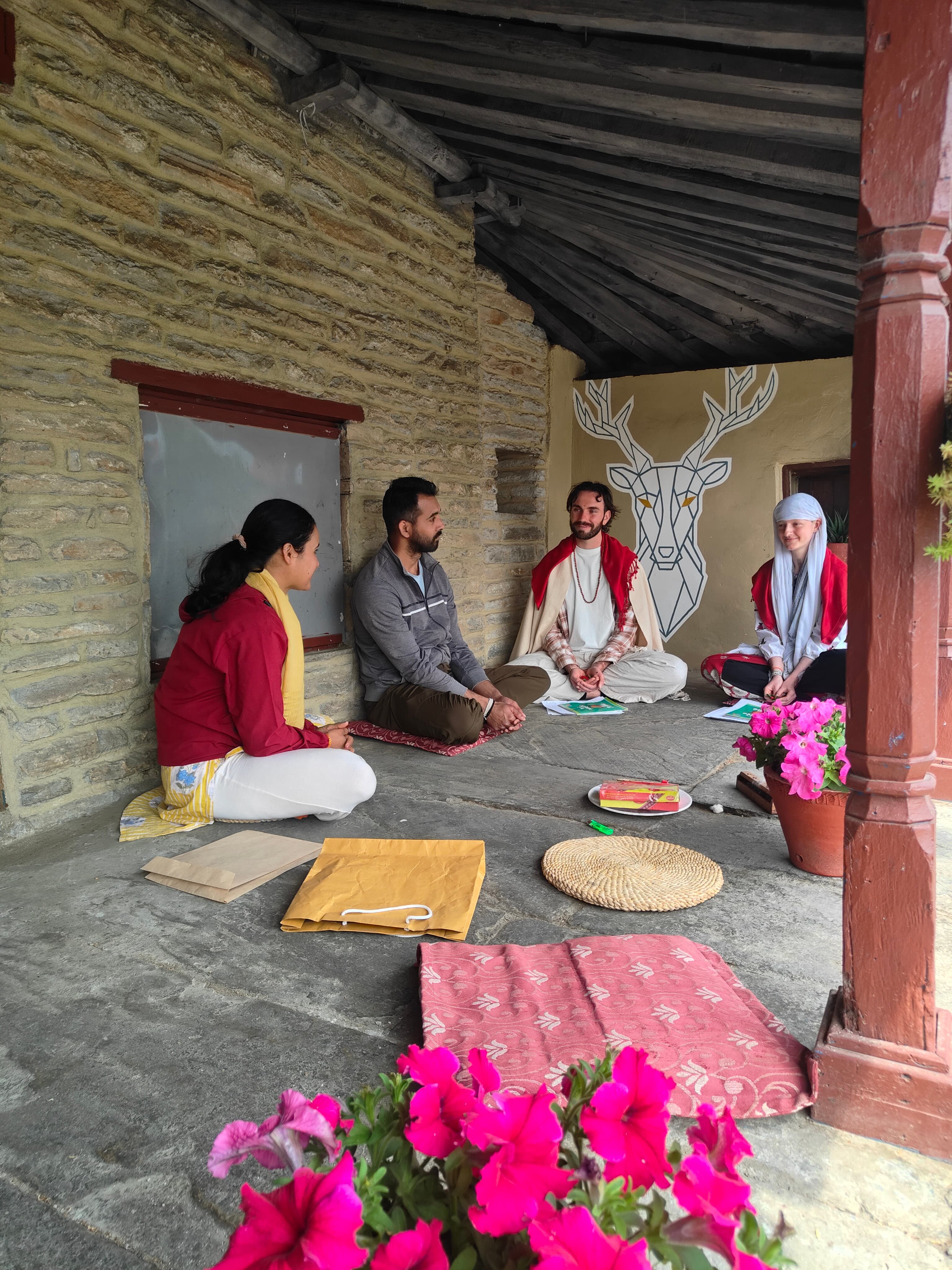
Detox Yoga Retreat in Nepal
6 nights / 7 days€430
View retreat →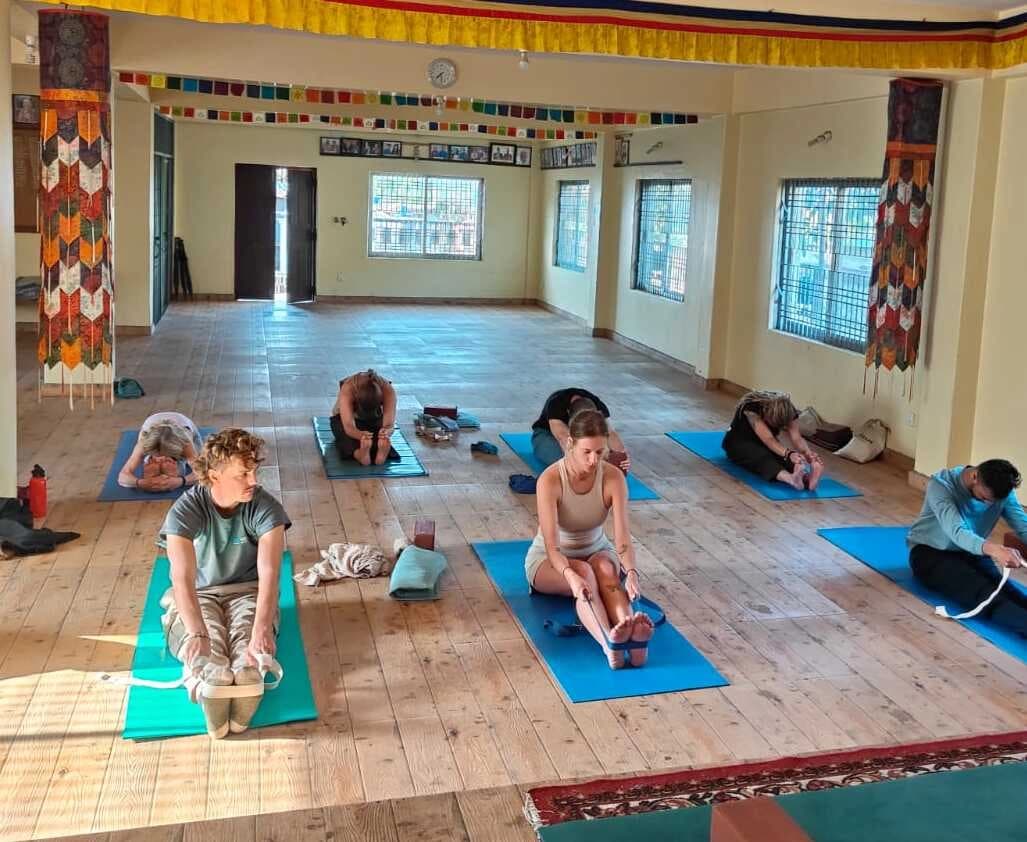 you can increase the no of stay
Intense Yogasana & Meditation Retreat
7 days€380
View retreat →